Food Delivery Sector Faces Profitability Crisis, Accelerating Consolidation
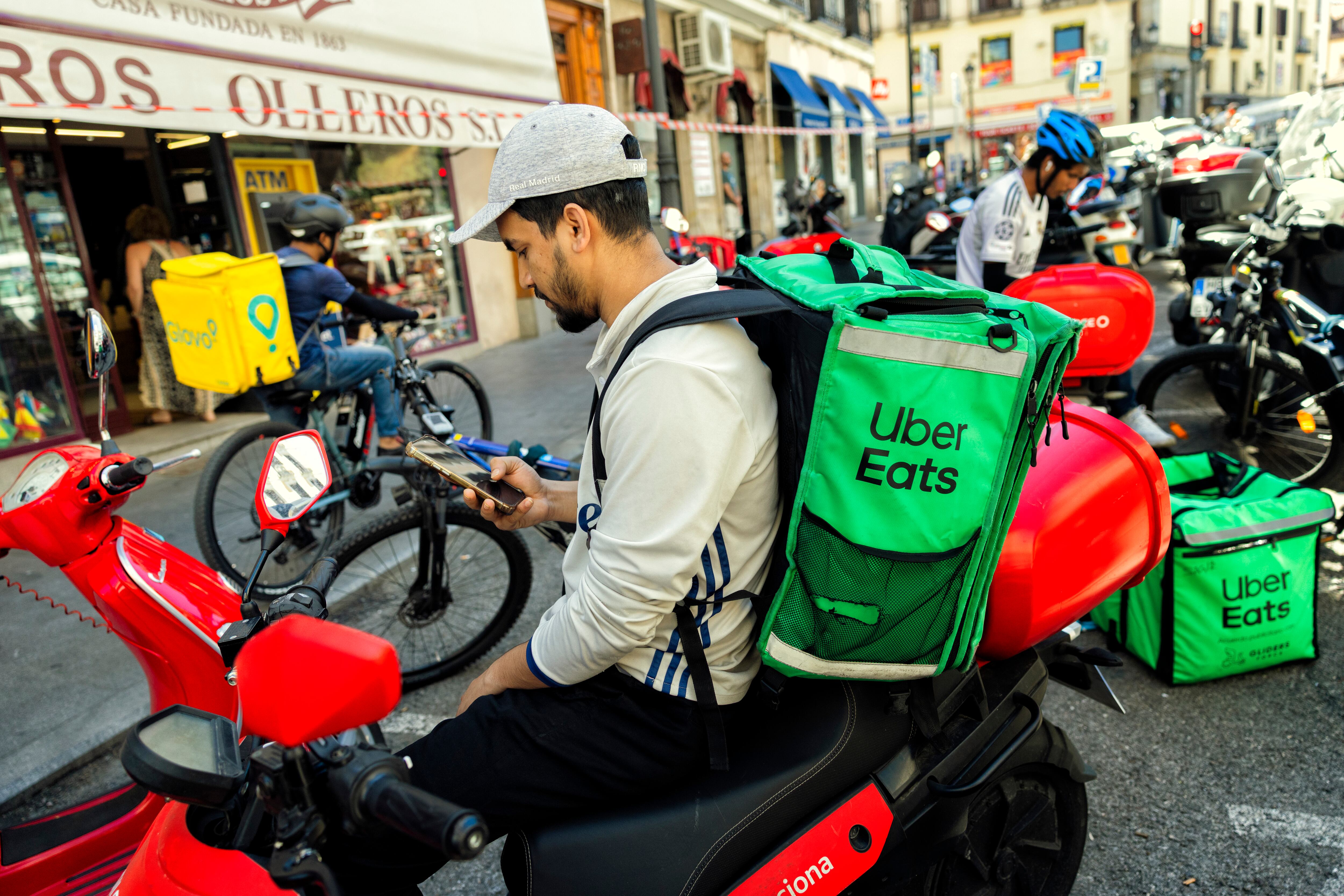
The home delivery sector is struggling to achieve profitability, leading to a significant consolidation of operators. The substantial losses incurred following the pandemic's peak have compelled several companies to merge, reshaping the industry landscape. Consequently, the market is now largely dominated by three major groups: Uber, DoorDash, and Napsers. This consolidation is a direct response to the financial challenges that have plagued the sector since the surge in demand during the global health crisis. The intense competition and high operational costs associated with rapid delivery services have proven unsustainable for many smaller players. As a result, the industry is moving towards a more concentrated structure, with fewer, larger entities controlling the majority of the market share. This shift indicates a new phase for food delivery, where financial viability is now the primary driver of strategic decisions.
The food delivery industry's current consolidation reflects a common market dynamic where rapid growth, fueled by external events like the pandemic, often outpaces the development of sustainable business models. The high operational costs and intense competition inherent in the sector create significant pressure on margins. This situation necessitates a strategic pivot towards profitability, often achieved through economies of scale and market dominance. The emergence of a few dominant players suggests a potential shift in market power, which could influence pricing, service offerings, and labor conditions in the future. Stakeholders will need to monitor how these larger entities balance market share with long-term financial health and consumer value in the evolving digital economy.
AI-generated to prompt reflection — not editorial opinion, not advice, not a statement of fact. How this works.