Food in India: More Than a Meal, Now a Political Statement
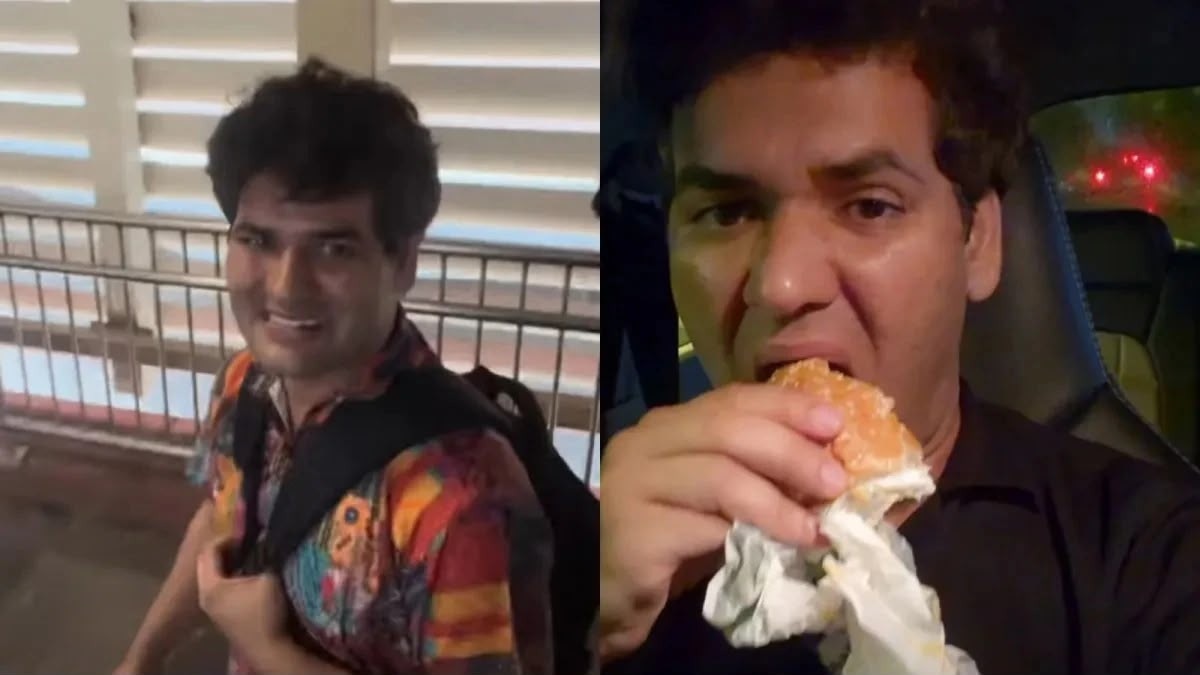
In India, food has transcended its basic function to become a symbol of identity, a representation of values, and a test of public morality. In the era of social media, a person's meal is no longer considered a private choice but is interpreted as a political message. The focus has shifted from the act of eating itself to the context: when, where, and under what circumstances a meal is consumed. This phenomenon is exemplified by a recent controversy involving Vinta Dahiya. The evolving perception of food highlights how personal consumption habits are now scrutinized through a political lens.
The increasing politicization of food choices in India reflects a broader trend where personal actions are interpreted through a political or ideological filter, amplified by social media. This dynamic can lead to public scrutiny and debate over individual consumption, potentially creating social pressure or expectations. Understanding the underlying incentive structures that drive such interpretations is crucial. This phenomenon may also indicate a societal shift towards viewing everyday activities as opportunities for expressing or reinforcing group identity and political alignment, rather than purely personal preferences. The long-term implications could involve greater polarization or the emergence of new social norms around public consumption.
AI-generated to prompt reflection — not editorial opinion, not advice, not a statement of fact. How this works.