Food Price Hikes Strain Mozambican Households Amid Rising Inflation
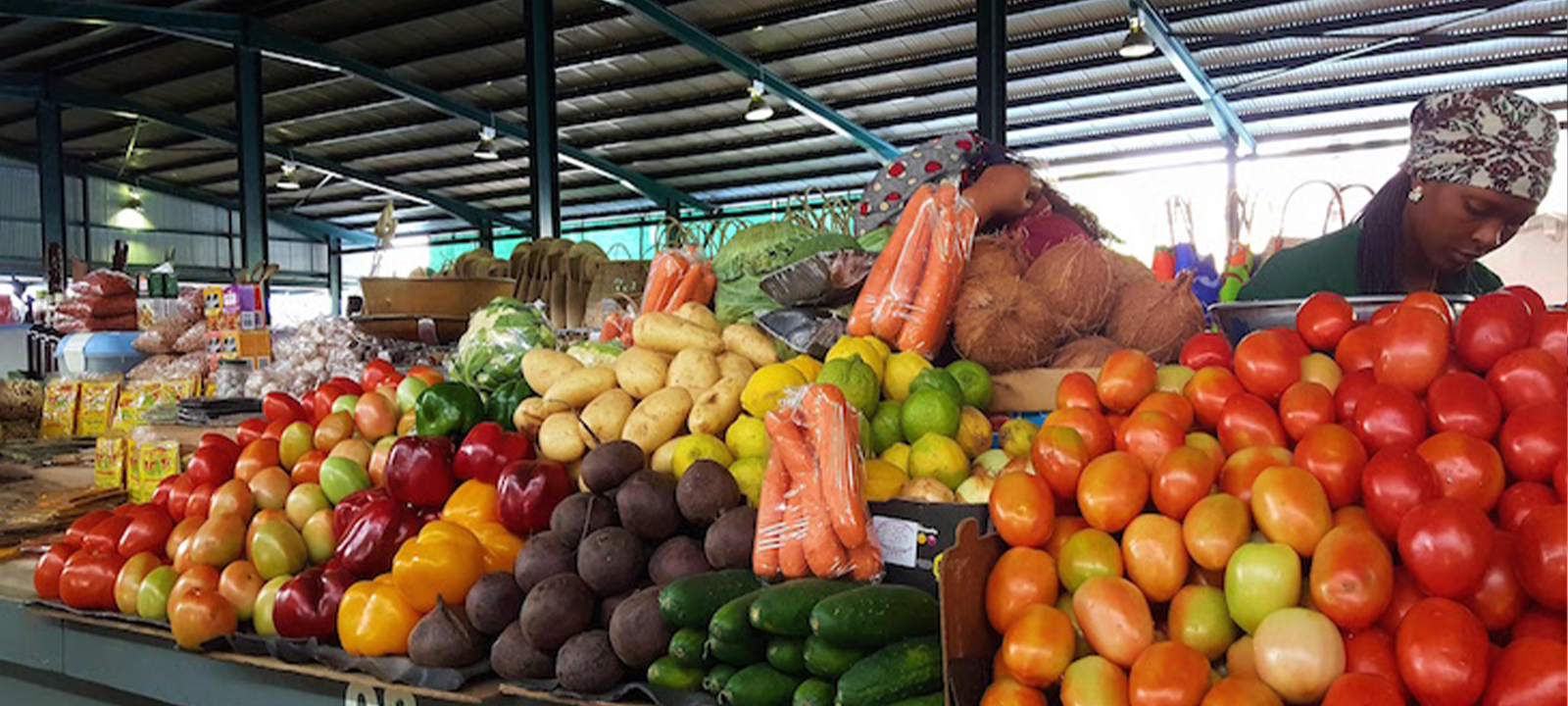
The cost of living for Mozambican families is being significantly impacted by escalating food prices, coinciding with an increase in inflation reported by the National Institute of Statistics (INE) for May 2025 compared to the same period in 2024. A survey at Maputo's Malanga Municipal Market revealed that essential items such as tomatoes, cucumbers, onions, potatoes, and peppers are considerably more expensive than last year. Vendors attribute these price surges to the effects of early-year floods that damaged agricultural production areas, alongside increased transportation and logistics costs. For instance, the price of tomatoes has nearly doubled, rising from 25-50 meticais per kilogram to approximately 100 meticais, largely due to reduced national output forcing reliance on imported goods, primarily from South Africa. Cucumbers, previously sold at 10-20 meticais per kilogram, now range from 50-60 meticais, and a box of peppers has jumped from 120 meticais to around 800 meticais. These price increases directly affect consumer purchasing power, leading many customers to reduce the quantity of goods they buy. Despite lower market traffic, some vendors maintain that their prices remain more accessible than those in many supermarkets, especially for fresh, largely domestically produced items. Beyond flood impacts, vendors also cite rising fuel and transport costs as ongoing influences on food prices. Recent INE data indicates that inflation is affecting multiple regions across Mozambique, including Gaza, Inhambane, Nampula, and Tete provinces, collectively worsening the cost of living for Mozambican households.
The current food price inflation in Mozambique, exacerbated by climate-related events like floods and compounded by logistical costs, highlights systemic vulnerabilities in the nation's food supply chain and economic resilience. The reliance on imported goods following domestic production disruptions, coupled with rising fuel prices, creates a feedback loop that disproportionately affects lower-income households. This situation underscores the need for strategic investments in agricultural infrastructure, climate adaptation measures, and diversified sourcing to mitigate future shocks. Examining the interplay between environmental factors, global commodity markets, and domestic economic policy will be crucial for developing sustainable solutions that ensure food security and stabilize the cost of living for Mozambicans in the coming decade.
AI-generated to prompt reflection — not editorial opinion, not advice, not a statement of fact. How this works.