Food Price Hikes Worsen Cost of Living in Maputo City
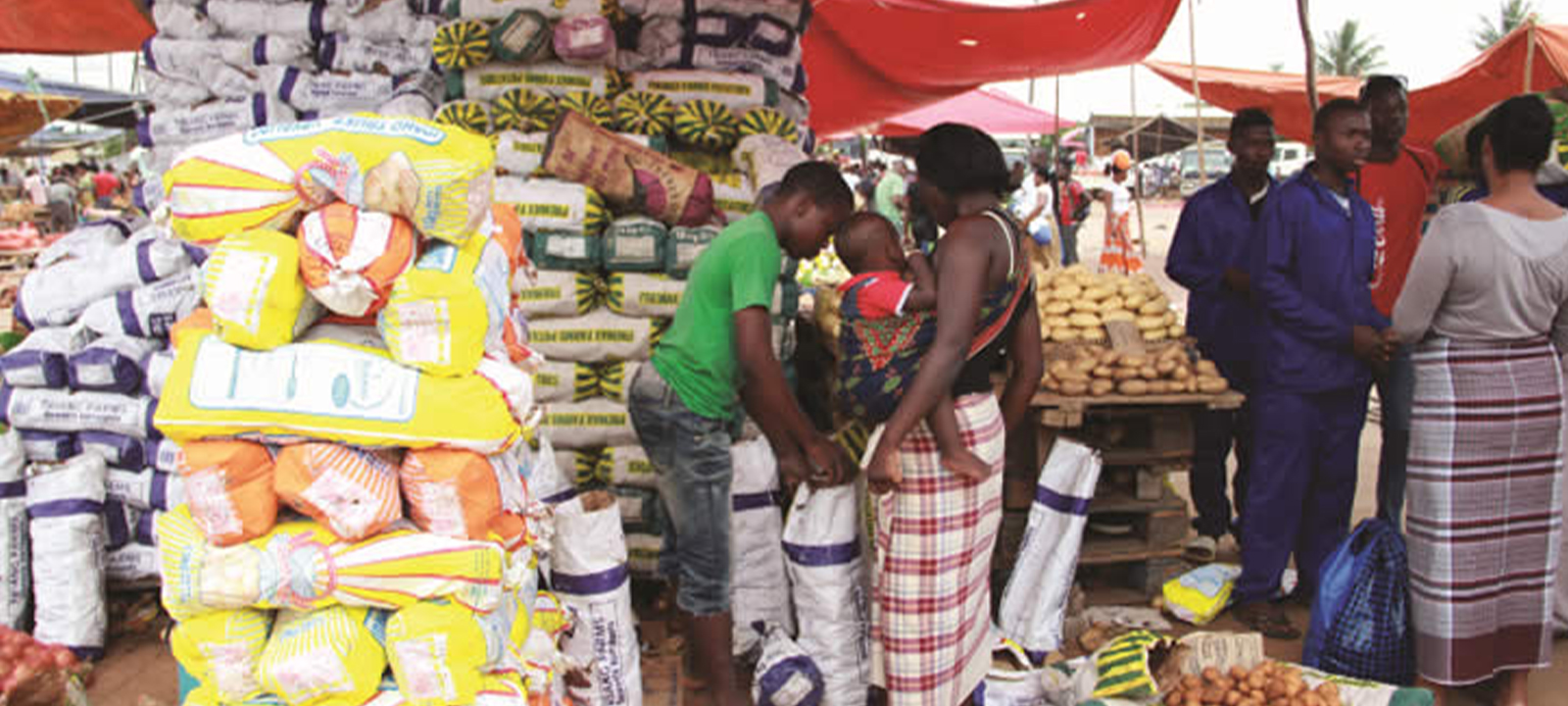
The cost of living for Mozambican families is being significantly strained by rising food prices. Data from the National Statistics Institute (INE) indicates an increase in inflation in May of this year compared to the same period in 2025. A survey at the Malanga Municipal Market in Maputo City revealed that essential products such as tomatoes, cucumbers, onions, potatoes, and bell peppers are considerably more expensive than last year.
Vendors attribute these price surges to the impact of early-year floods on agricultural production, alongside increased transportation and logistics costs. For instance, the price of tomatoes has nearly doubled, from 25-50 meticais per kilogram to around 100 meticais, largely due to the floods affecting domestic production and necessitating reliance on imported goods, primarily from South Africa. Cucumbers have also seen a sharp increase, with prices rising from 10-20 meticais per kilogram last year to 50-60 meticais currently. A box of bell peppers, previously around 120 meticais, now costs approximately 800 meticais.
These price hikes are directly impacting consumer purchasing power, leading many customers to reduce their purchase quantities. Despite lower market activity, some vendors argue their prices remain more accessible than those in supermarkets, especially for fresh, largely domestically produced items. Beyond flood impacts, vendors also cite rising fuel and transport costs as ongoing factors influencing food prices. The INE's latest figures show inflation affecting multiple regions, including Gaza, Inhambane, Nampula, and Tete provinces, further exacerbating the cost of living crisis for Mozambican households.
The current food price inflation in Maputo City, driven by climate-related agricultural disruptions and increased logistical costs, highlights the vulnerability of import-dependent food systems. This situation underscores the systemic challenge of ensuring food security and price stability in regions susceptible to extreme weather events. Future policy considerations should focus on enhancing agricultural resilience through climate-smart practices, diversifying food sources, and optimizing supply chain efficiencies to mitigate the impact of such shocks on household budgets. The reliance on imported goods, particularly from South Africa, also points to the need for strengthening regional trade and local production capacities to buffer against external price volatilities and ensure more predictable access to essential commodities.
AI-generated to prompt reflection — not editorial opinion, not advice, not a statement of fact. How this works.