Food Security Commission Launches 2026 "Food for Work" and Income-Generating Activities Program
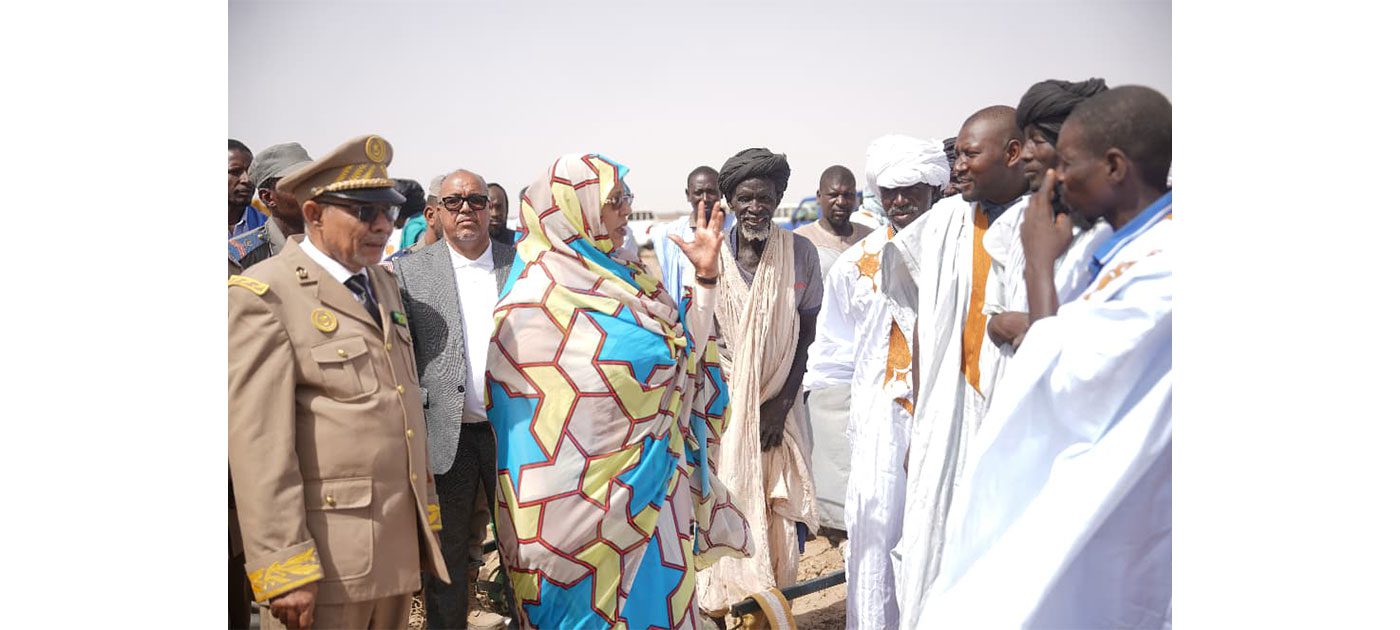
The Food Security Commission has launched its "Food for Work" program and income-generating activities component for 2026. The launch event took place today, Thursday, in Nema, the capital of Hodh El Chargui province. The initiative is overseen by the Commissioner for Food Security, Ms. Fatma Mint Khotri, alongside the Governor of the province, Mr. Islamou Ould Sidi. The "Food for Work" program for this year includes fencing over 100 farms across various provinces of the country. This program aims to enhance food security and provide economic opportunities through labor-intensive projects. The income-generating activities component is designed to support sustainable livelihoods and improve economic resilience within communities. These initiatives are crucial for addressing food insecurity and poverty in the region. The commission's efforts are focused on tangible outcomes that benefit agricultural producers and vulnerable populations. The program's rollout signifies a commitment to long-term development strategies in the agricultural sector. Further details on the specific activities and targeted regions are expected to be released.
The launch of the "Food for Work" and income-generating activities program by the Food Security Commission highlights a strategic approach to addressing food insecurity and economic vulnerability. By linking food assistance with labor, the program incentivizes participation in community development projects, such as agricultural infrastructure improvements. This model can foster self-sufficiency and build local capacity, moving beyond immediate relief to sustainable solutions. The focus on fencing farms suggests an effort to protect agricultural assets and enhance productivity, which is critical in a region susceptible to environmental challenges. Evaluating the program's long-term impact will require monitoring its effectiveness in improving livelihoods, ensuring equitable distribution of benefits, and its scalability across different regions and contexts. The success of such initiatives often depends on robust implementation, transparency, and adaptability to evolving socio-economic and environmental conditions.
AI-generated to prompt reflection — not editorial opinion, not advice, not a statement of fact. How this works.