Football's 'Handball' Exception: Why Rodri Avoided a Penalty Against Spain
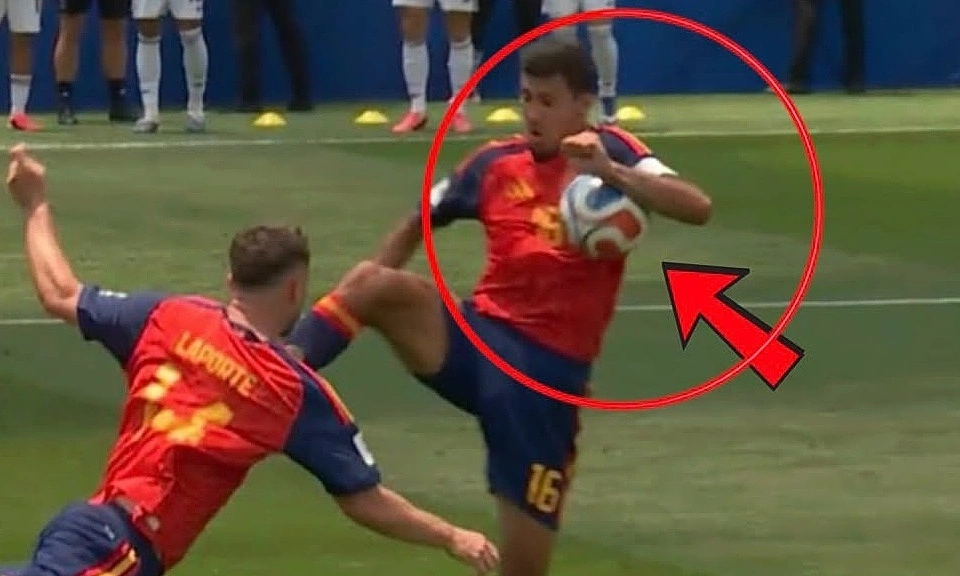
In a pivotal moment during the 2026 World Cup quarter-final match where Spain defeated Belgium, midfielder Rodri was not penalized for handball despite the ball striking his hand. This decision was made due to a specific exception within the current football laws governing handball incidents. The incident occurred as the ball made contact with Rodri's hand, a situation that would typically result in a penalty kick. However, the application of the exception meant that no foul was called, allowing play to continue. This particular rule aims to clarify situations where a handball is not deemed intentional or advantageous to the player. The exception often relates to instances where the ball deflects off a player's own body onto their hand, or when the hand is in a natural position not making the body unnaturally bigger. The precise interpretation of this rule can be complex and has been a subject of debate among players, coaches, and fans. The outcome of this match, influenced by this interpretation, highlights the ongoing discussion surrounding the clarity and fairness of handball regulations in professional football.
The application of specific handball exceptions in football, as seen in the Rodri incident, underscores the ongoing challenge of codifying intent and reflex within the sport's rules. While aiming for fairness, such exceptions can create ambiguity, potentially impacting match outcomes and fan perception. Future iterations of the Laws of the Game may benefit from further refinement to ensure greater consistency and predictability, particularly as player actions become more dynamic. This situation prompts consideration of how technology and evolving interpretations of 'natural position' and 'unavoidable contact' will shape officiating in the coming decade, balancing the spirit of the game with the need for clear, enforceable regulations.
AI-generated to prompt reflection — not editorial opinion, not advice, not a statement of fact. How this works.