Football's Lesson: Humility Over Arrogance
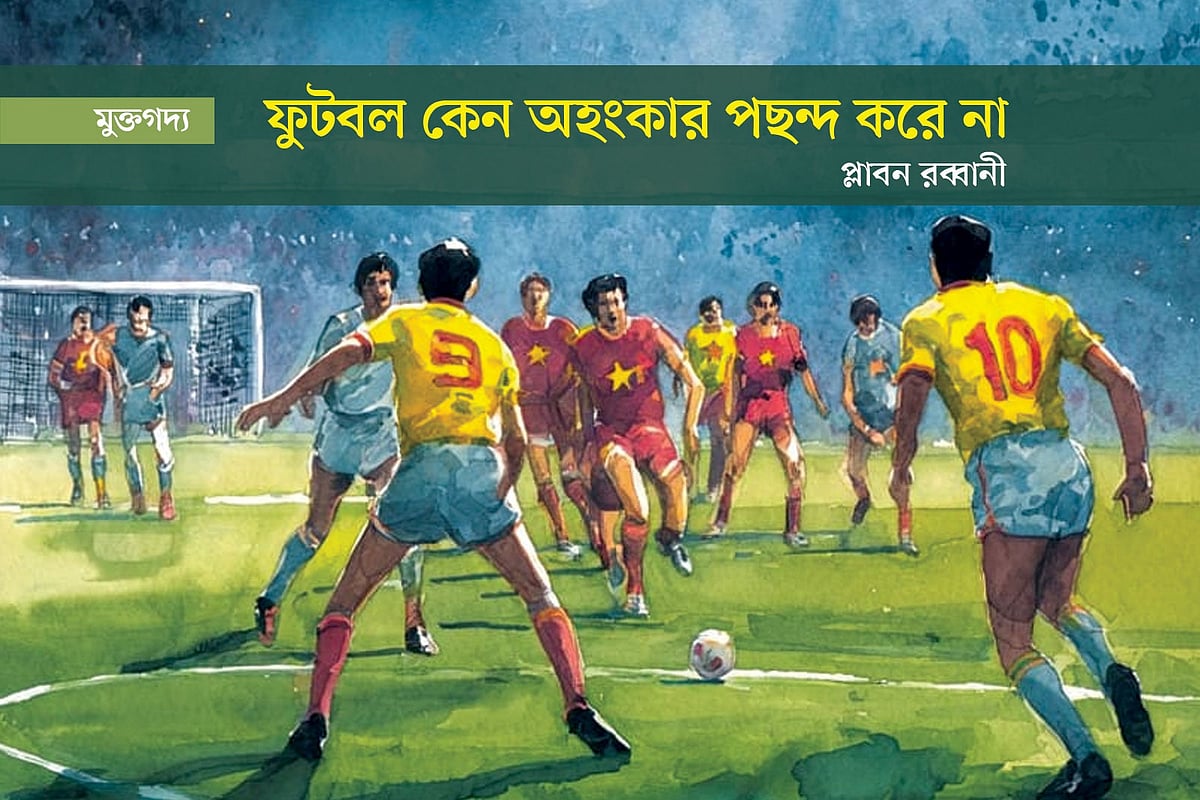
A penalty miss in the 14th minute at New Jersey's stadium, where Brazil was awarded a penalty, highlights a deeper issue beyond the missed shot itself. While many expected Vinícius Júnior to take it, another player stepped up and failed to convert, with the Norwegian goalkeeper making the save. This incident, though not uncommon in football history, served as a focal point for a broader observation about Brazil's apparent complacency. There was a sense of overconfidence, a belief that goals would come easily and in abundance, a feeling amplified by the television's perspective. Football, however, operates on a different clock, one that measures focus, hunger, and a team's unwavering belief until the final whistle. Norway maintained this belief, while Brazil faltered, leading to a scoreline that masked a more significant narrative of lost conviction. The World Cup stage often intensifies this, with discussions frequently drifting to past glories of legends like Pelé, Maradona, and Messi, rather than focusing on current performances. While football respects history, it does not bow to it. This tendency towards overconfidence is not exclusive to football; it mirrors the pitfalls faced by artists, writers, and musicians who risk stagnation when they prioritize past accolades over present creation and critical feedback. Complacency, not criticism, is the true enemy of artistic and athletic excellence. This pattern is also observable in Bengali culture, where initial success can lead to an overemphasis on identity rather than sustained achievement. The World Cup's quadrennial return serves as a constant reminder that past victories do not guarantee future success. Joy comes from winning, but education stems from defeat, and humility is the key to a long journey. Each match is a fresh start, a zero-point beginning, which explains the sport's brutal beauty. Even a five-star jersey or a reigning world champion must perform anew, and legendary nations can still err. Football does not demean anyone; it merely reminds us that yesterday's triumphs do not automatically translate to today's goals. Ultimately, football offers a profound insight into human character, revealing how individuals handle victory and defeat, maintain focus under pressure, and prioritize the team over personal glory, mirroring the complexities of life itself.
The narrative surrounding Brazil's penalty miss and subsequent performance serves as a microcosm for the broader challenge of maintaining peak performance amidst success. The analysis suggests that overconfidence, or 'complacency,' can be a significant detractor from sustained excellence, affecting not just sports teams but also creative and professional endeavors. This phenomenon highlights a systemic tension between leveraging past achievements for present motivation and the risk of becoming beholden to them. In the context of elite competition, such as the World Cup, the pressure to continuously innovate and adapt, rather than relying on historical prestige, is paramount. The event underscores the importance of psychological resilience and a 'growth mindset' in navigating the cyclical nature of success and failure, particularly in high-stakes environments. Looking ahead, organizations and individuals must cultivate mechanisms that foster continuous learning and humility, ensuring that past glories serve as a foundation for future ambition rather than a ceiling on potential.
AI-generated to prompt reflection — not editorial opinion, not advice, not a statement of fact. How this works.