Footballers' Affectionate Embrace Sparks Debate on Male Emotional Expression
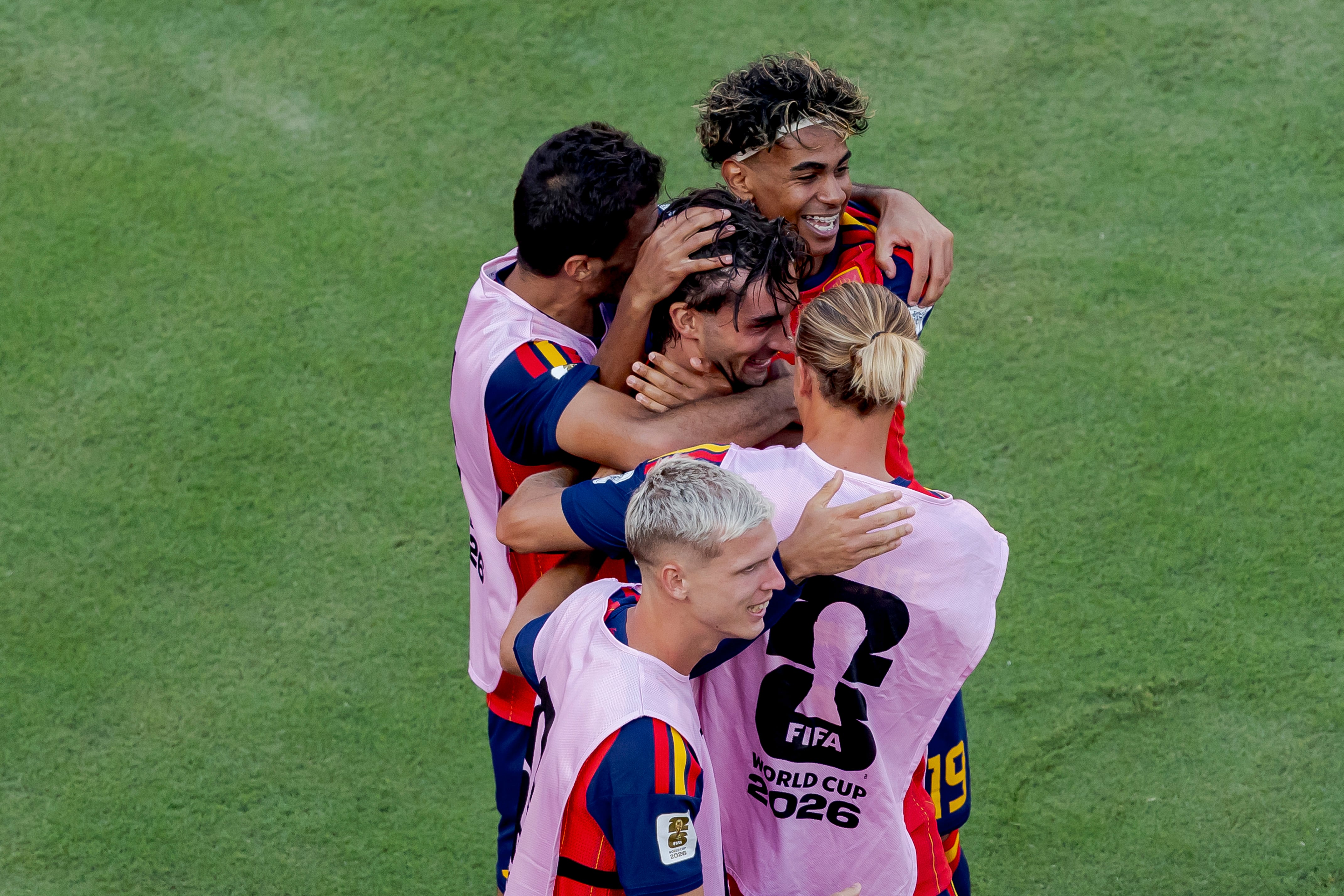
Photos of Spanish footballers Marcos Llorente and Ferrán Torres celebrating a victory with hugs and affectionate gestures in Ibiza have ignited a significant reaction on social media. The public response highlights a perceived societal issue regarding how men express affection towards one another. The incident suggests that men, regardless of their sexual orientation, may face challenges or judgment when displaying open displays of care and closeness. This reaction points to a broader cultural norm that often restricts or discourages overt emotional bonding between men. The debate centers on whether such displays are viewed negatively and why this might be the case in contemporary society. The incident serves as a focal point for discussions about masculinity, emotional expression, and societal expectations placed upon men. It raises questions about the pressures men may feel to conform to certain behaviors and the potential consequences of deviating from them. The conversation extends beyond just heterosexual men, indicating a wider societal discomfort or unfamiliarity with non-platonic male affection. Ultimately, the public's reaction to the footballers' embrace underscores a complex interplay of cultural norms, gender roles, and emotional expression.
The public's strong reaction to the footballers' affectionate display suggests a societal tension surrounding male emotional expression. This incident highlights how deeply ingrained cultural norms around masculinity may create discomfort or judgment when men exhibit behaviors outside traditional expectations of stoicism or reserved camaraderie. The scrutiny of such displays, irrespective of the individuals' sexual orientation, points to a broader societal challenge in fostering a more inclusive and emotionally open environment for all men. Future societal progress may involve re-evaluating these norms to allow for a wider spectrum of healthy emotional expression, potentially reducing the psychological burden on men and strengthening interpersonal bonds across diverse relationships.
AI-generated to prompt reflection — not editorial opinion, not advice, not a statement of fact. How this works.