Footballers' concussion culture has thankfully changed, acknowledging past recklessness
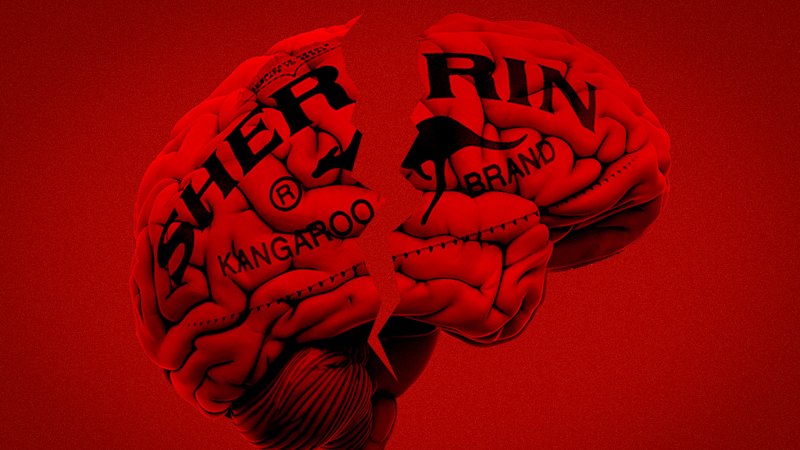
A former footballer reflects on the past culture surrounding concussions in the sport, where players often downplayed head injuries and played through them. The author admits to playing Australian Rules Football just seven days after sustaining a concussion, believing at the time that this demonstrated toughness. However, with growing awareness and scientific understanding of the long-term effects of head trauma, this mindset is now recognized as dangerous and misguided. The article highlights a positive shift in the sport's culture, where the health and safety of players regarding concussions are now prioritized over the previous 'tough it out' mentality. This evolution in attitude is seen as a crucial step forward in protecting athletes from potentially devastating, long-term neurological damage.
The evolution of concussion protocols in sports reflects a broader societal shift towards prioritizing long-term health and safety over short-term performance or perceived toughness. Historically, athletic cultures often normalized risk-taking and minimized the impact of injuries, particularly head trauma. This shift indicates a growing understanding of neurodegenerative risks associated with repeated head impacts, moving from individual stoicism to collective responsibility for athlete welfare. Future considerations will likely involve further refinement of diagnostic tools, rehabilitation strategies, and potentially rule changes to mitigate high-impact collisions, aligning sports governance with advancements in medical science and public health awareness over the next decade.
AI-generated to prompt reflection — not editorial opinion, not advice, not a statement of fact. How this works.