Forage Beet Boosts Cattle Feed Production, Cutting Costs
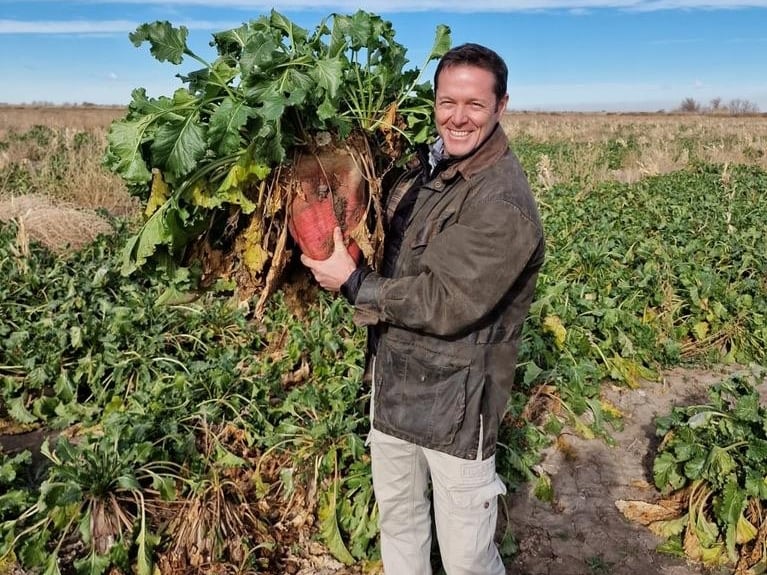
In Carmen de Patagones, farmer Alejandro Pérez Iturbe is achieving remarkable success with forage beet cultivation, yielding up to 3500 kilograms per hectare. This innovative approach is significantly reducing the costs associated with "manufacturing" meat. The boom in forage beet production is breaking traditional molds for animal feed. Pérez Iturbe's model demonstrates a highly efficient method for producing high-quality feed. This advancement in agricultural practices offers a promising solution for the livestock industry. The increased yield per hectare suggests a more sustainable and cost-effective way to support meat production. Farmers are exploring this crop as a viable alternative to conventional feed sources. The economic benefits are substantial, making meat production more accessible. This development highlights the potential for agricultural innovation to address industry challenges.
The surge in forage beet cultivation for livestock feed, as exemplified by Alejandro Pérez Iturbe's success in Carmen de Patagones, presents a compelling case study in agricultural efficiency and cost reduction. This trend reflects a broader recalibration of input costs within the meat production value chain, driven by the need for sustainable and economically viable feed alternatives. The high yield of 3500 kg per hectare suggests that optimizing crop selection can significantly impact operational expenses, potentially democratizing access to meat production. Looking ahead, such innovations may foster greater resilience in food systems against market volatility and environmental pressures, encouraging a shift towards more resource-efficient agricultural models.
AI-generated to prompt reflection — not editorial opinion, not advice, not a statement of fact. How this works.