Forced Sterilization Compensation Stalls, Only 2% Approved; How to Inform Victims?
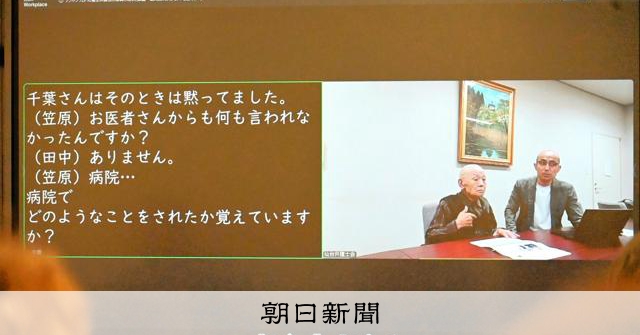
Compensation for victims of forced sterilization in Japan is progressing extremely slowly, with only about 2% of applicants having their cases approved. This raises significant questions about how to effectively reach and inform the remaining victims about the compensation process. The slow pace highlights the challenges faced by survivors in seeking redress for the abuses they endured under Japan's former eugenics law. Many victims may be unaware of their eligibility for compensation or the procedures involved in applying.
The government has established a compensation system, but the low approval rate and the difficulty in identifying and contacting eligible individuals suggest systemic issues with the outreach and administrative processes. Advocates are concerned that a large number of victims may never receive the compensation they are entitled to due to these obstacles. Efforts are being made to improve communication and streamline the application process, but the urgency of the situation for aging survivors remains a critical concern.
The slow progress in compensating victims of forced sterilization under Japan's former eugenics law points to significant governance challenges in addressing historical injustices. The low approval rate and difficulties in victim identification suggest potential systemic failures in outreach, administrative capacity, and the design of redress mechanisms. Moving forward, effective systems for historical accountability require proactive identification of affected populations, transparent and accessible application processes, and robust communication strategies. This situation underscores the broader need for governments to develop more responsive and victim-centered approaches to compensation and reconciliation for past human rights abuses, particularly as affected populations age.
AI-generated to prompt reflection — not editorial opinion, not advice, not a statement of fact. How this works.