Ford CEO Admits China Will Dominate US Auto Market by 2036
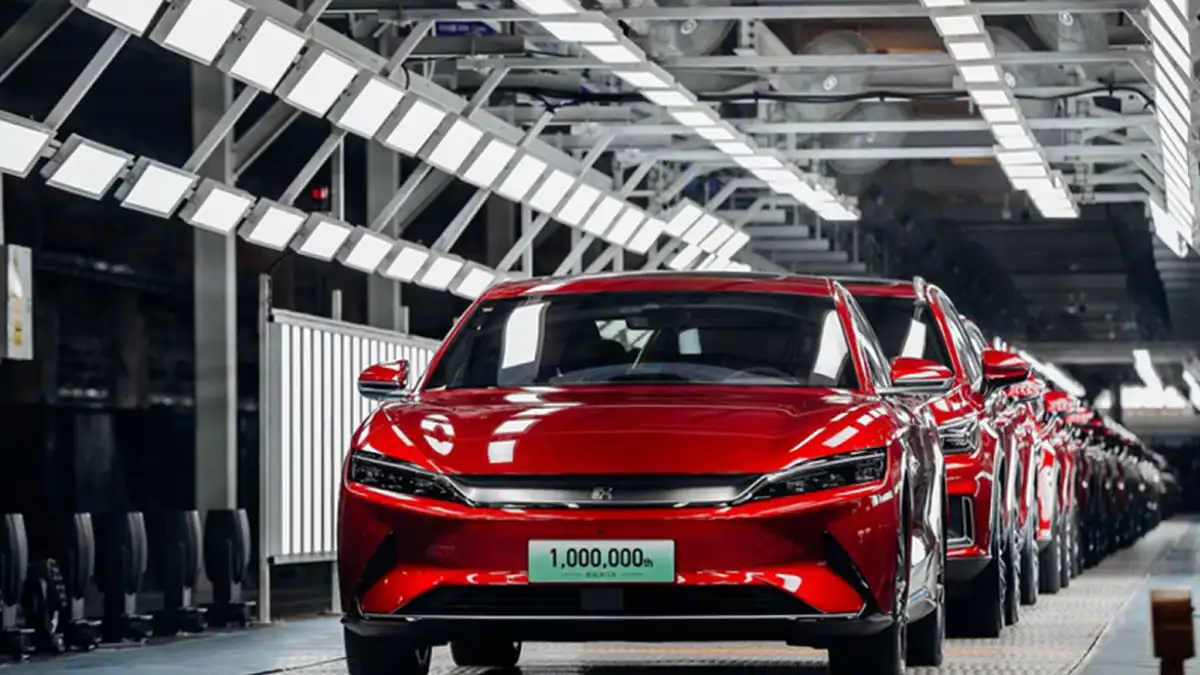
Ford CEO Jim Farley revealed to employees on July 30th in Detroit that the company is preparing for Chinese automakers to enter the U.S. market within the next five to ten years. This internal admission suggests a significant shift in the global automotive landscape, with Chinese manufacturers poised to challenge established players. Farley reportedly acknowledged that Chinese companies are rapidly advancing in electric vehicle technology and are on track to become major competitors. The executive's remarks indicate that Ford is strategizing to adapt to this impending competition. The company is also reportedly considering how to leverage its own strengths and partnerships to maintain its market position. This internal discussion highlights the growing influence and capabilities of China's automotive industry on a global scale. The timeline provided suggests a proactive approach by Ford to address future market dynamics. The company's leadership seems to recognize the urgency of adapting to technological advancements and competitive pressures from emerging automotive powers.
The automotive industry is undergoing a profound transformation driven by electrification and evolving global trade dynamics. Ford's internal acknowledgment of China's potential market dominance by 2036 reflects a strategic assessment of competitive trajectories. This situation underscores the importance of technological innovation, supply chain resilience, and adaptable business models in navigating the coming decade. As China continues to invest heavily in EV technology and manufacturing, its automakers are increasingly positioned to compete on a global scale. Companies like Ford face the challenge of balancing domestic market priorities with international competition, requiring careful consideration of market access, intellectual property, and collaborative strategies to foster sustainable growth and innovation in an increasingly interconnected automotive ecosystem.
AI-generated to prompt reflection — not editorial opinion, not advice, not a statement of fact. How this works.
