Ford to Cut Ranger Production Due to Falling Regional Demand
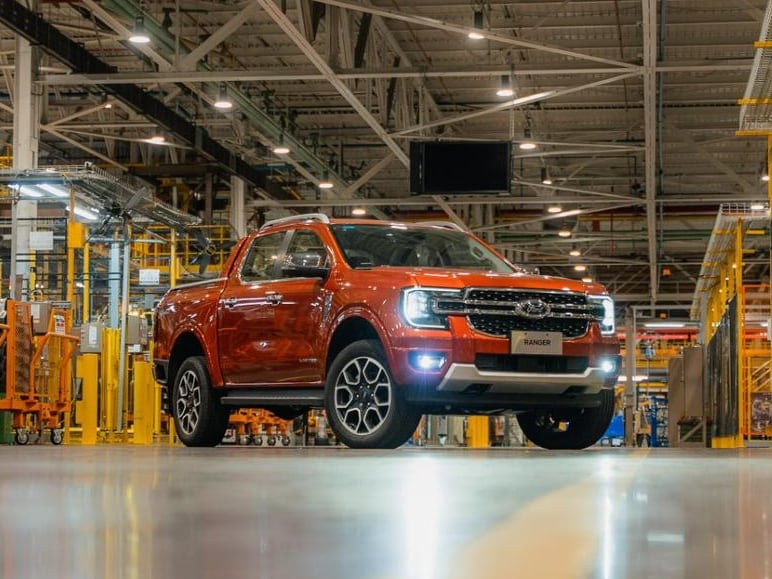
Ford will reduce production of its Ranger pickup truck due to a decline in regional demand. The automaker is adjusting its manufacturing pace to align the volume of units produced with current market conditions. This decision comes amid an increasingly competitive landscape in Argentina and Brazil, which presents a more challenging environment for established brands like Ford.
The company's move reflects a strategic response to shifting market dynamics. By scaling back production, Ford aims to manage inventory levels and optimize its operations in light of reduced consumer interest in the Ranger model within these key South American markets. The heightened competition is forcing traditional automakers to reassess their strategies and production volumes.
The decision by Ford to decrease Ranger production in response to regional demand shifts highlights the sensitivity of automotive manufacturing to market fluctuations and competitive pressures. Increased competition in markets like Argentina and Brazil necessitates agile production strategies to avoid inventory build-up and maintain profitability. This situation underscores the ongoing challenge for legacy automakers to adapt to evolving consumer preferences and a more dynamic competitive landscape, particularly as new entrants and technological advancements reshape the automotive sector over the next decade. Companies must balance maintaining established product lines with the flexibility to pivot production based on real-time market signals to ensure long-term viability.
AI-generated to prompt reflection — not editorial opinion, not advice, not a statement of fact. How this works.