Foreign Medical Tourism Spending Doubles in First Half, Boosting Clinics and Pharmacies
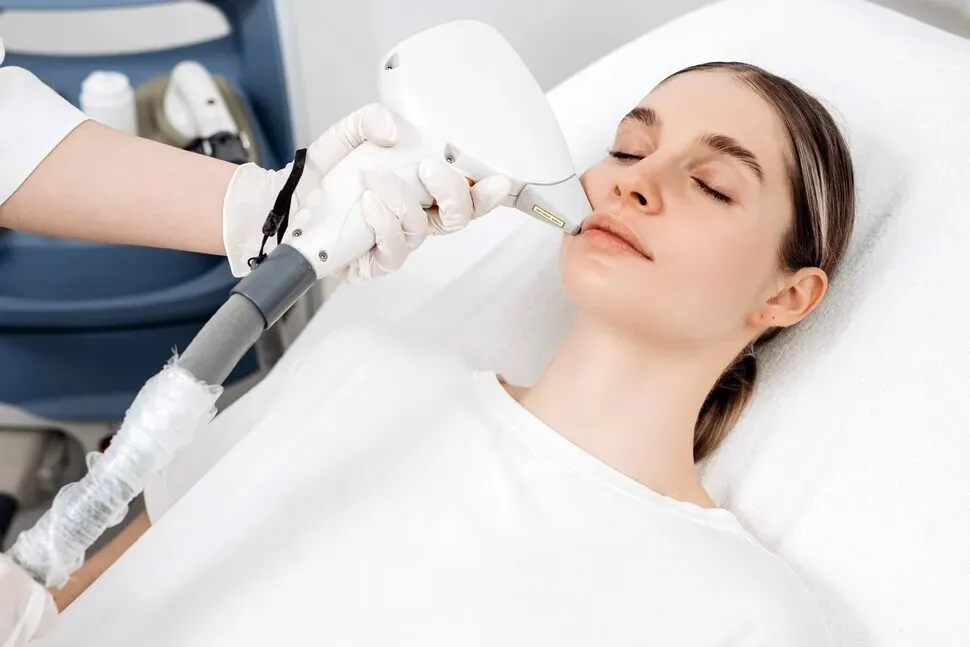
Foreign spending on medical tourism in South Korea doubled in the first half of the year, leading to increased business for dermatology clinics and pharmacies. This surge indicates a growing interest and trust in South Korea's medical services among international visitors. The trend highlights the economic impact of medical tourism, not just on specialized hospitals but also on related sectors like beauty and pharmaceuticals.
The increase suggests that South Korea is becoming a more prominent destination for medical procedures and wellness treatments. The positive reception from clinics and pharmacies points to their successful adaptation to the needs of foreign patients. This growth could encourage further investment in medical infrastructure and services aimed at the international market.
Further analysis of the specific types of treatments sought by foreign tourists and their spending patterns could provide deeper insights into the drivers of this growth. Understanding these factors will be crucial for sustaining and expanding the medical tourism sector in the coming years.
The significant rise in foreign medical tourism expenditure suggests a growing global demand for specialized healthcare services and South Korea's increasing competitiveness in this sector. This trend reflects evolving patient mobility, driven by factors such as advanced medical technology, perceived quality of care, and potentially cost advantages compared to home countries. The economic benefits are clearly extending beyond core medical facilities to ancillary services like dermatology and pharmacies, indicating a robust ecosystem. Future policy considerations might focus on enhancing patient experience, ensuring regulatory compliance for international standards, and diversifying medical offerings to capture a wider range of global health needs, thereby solidifying South Korea's position as a leading medical tourism destination over the next decade.
AI-generated to prompt reflection — not editorial opinion, not advice, not a statement of fact. How this works.