Foreign Tourists Amazed by Western Vietnam's Hospitality
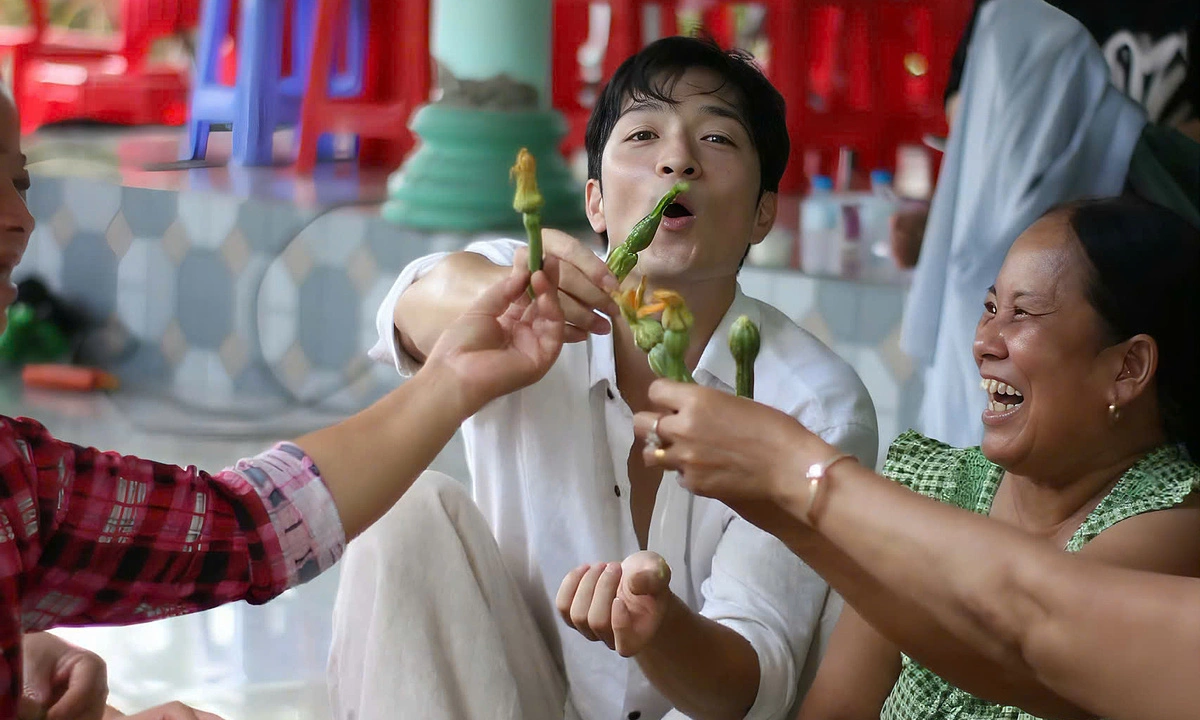
International tourists visiting the Mekong Delta region of Vietnam have been deeply impressed by the exceptional hospitality they have experienced. Many visitors have shared stories of being invited by strangers to join family events, such as "đám giỗ" (anniversary of a death). Furthermore, travelers have been offered free accommodation, being welcomed into local homes to stay overnight. These acts of kindness and generosity from unfamiliar people have left a significant positive impression on foreign visitors exploring the southern Vietnamese region. The warmth and openness of the local communities are highlighted as a standout feature of their travel experiences. This genuine human connection appears to be a significant draw for tourists seeking authentic cultural immersion. The willingness of residents to share their homes and traditions underscores a strong sense of community and welcome.
The reported experiences of foreign tourists in Vietnam's Mekong Delta highlight the powerful role of cultural hospitality in shaping perceptions of a destination. This phenomenon, where strangers offer unsolicited kindness and resources like accommodation and participation in family events, suggests a strong community fabric and potentially a cultural emphasis on collective well-being and social connection. From a systems perspective, such organic, person-to-person interactions can foster goodwill and positive word-of-mouth, acting as a potent, low-cost form of destination marketing. In an era where digital interactions often dominate, the value of authentic, in-person human connection is amplified, potentially offering a competitive advantage for regions that can cultivate and showcase such genuine hospitality. This also presents an opportunity for local communities to leverage these positive interactions for sustainable tourism development, provided it is managed in a way that respects local traditions and avoids commodification.
AI-generated to prompt reflection — not editorial opinion, not advice, not a statement of fact. How this works.