Foreigners Fueling Brazil's Real Estate Boom Amidst Rising Rents
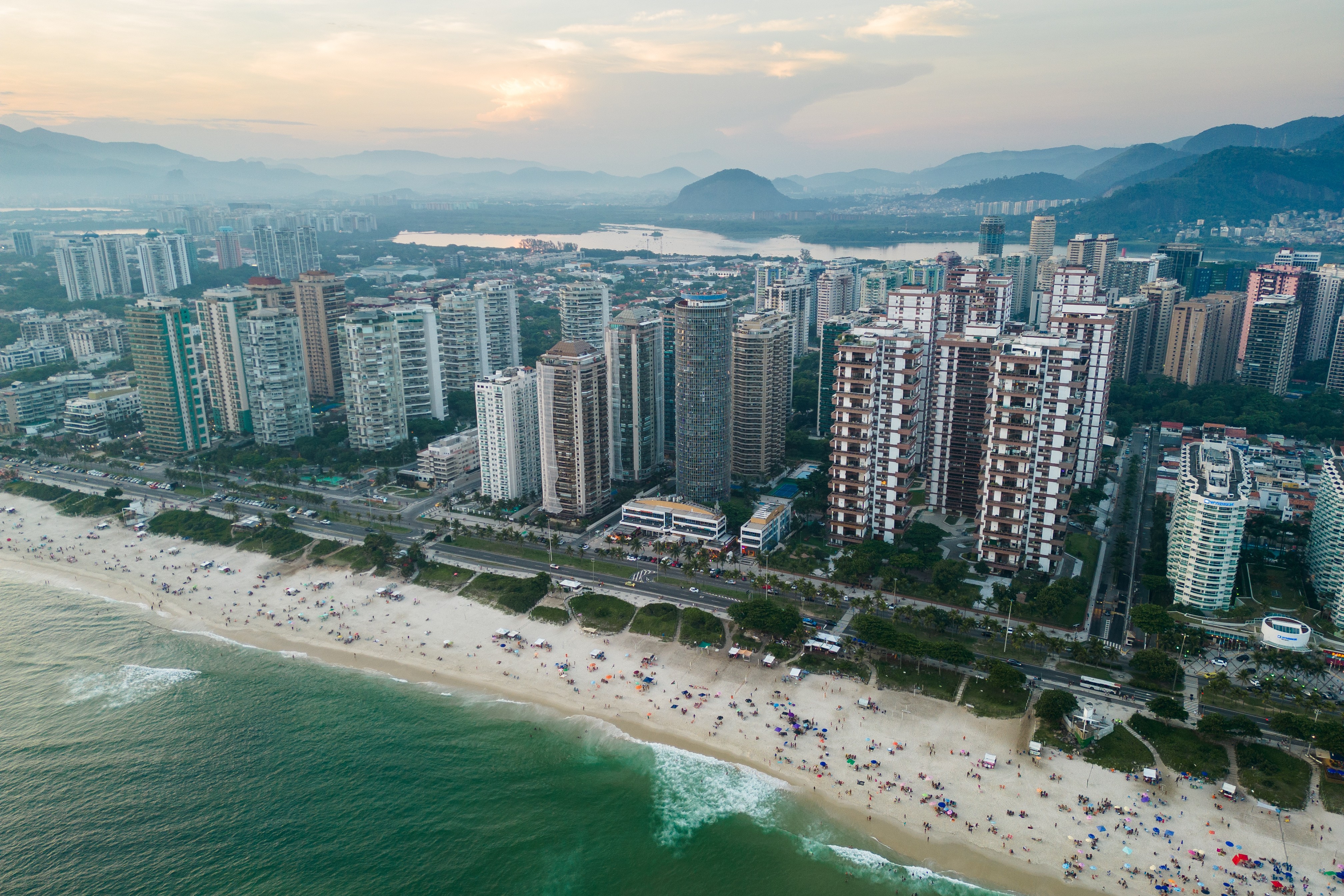
Brazil's real estate market is experiencing a significant surge in foreign investment, particularly in desirable areas like Rio de Janeiro's Zona Sul and Santa Catarina's coastline. This trend is driven by a combination of factors, including Brazil's growing popularity as a travel destination and the appeal of real estate as an investment. Notably, the country welcomed a record 9.2 million foreign visitors in 2025, with the first five months of 2026 already seeing 4.9 million arrivals, indicating a sustained interest post-pandemic. Digital nomads and remote workers are also contributing to this demand, with cities like Rio de Janeiro actively seeking to attract them through initiatives like the municipality's 2021 program. Compact apartments and studios are particularly sought after, with reports indicating that up to 30% of new units in areas like Ipanema and Leblon are being sold to foreign buyers. Argentinians and Americans are leading this investment wave, alongside significant interest from various European countries and the United Arab Emirates. Platforms facilitating remote property management and investment, alongside favorable exchange rates and the potential for property appreciation compared to saturated global markets like Miami or the Algarve, further enhance Brazil's attractiveness. The ease of obtaining residency through property purchase, with a minimum investment of R$1 million for individuals, also plays a crucial role, especially for nationalities like Russians seeking Brazilian passports. This influx is also reflected in the booming short-term rental market, with Brazil ranking third globally in Airbnb listings and experiencing rapid growth, particularly in cities like Rio de Janeiro and Florianópolis, which have seen their listings more than double since 2022. However, this boom is not without its consequences, as it is contributing to a sharp rise in rental prices for local residents, with Florianópolis experiencing a 9% increase in rents over the past year. This has led to growing pressure for regulation, with a recent Superior Court of Justice ruling requiring condominium assembly approval for short-term rentals. Despite these measures, concerns remain about the broader impact on housing affordability and community dynamics, prompting discussions about the need for a more balanced approach to foreign investment and tourism.
The surge in foreign real estate investment in Brazil, while presenting economic opportunities, highlights a common tension between attracting capital and ensuring local housing affordability. The trend underscores how globalized platforms and favorable exchange rates can rapidly transform domestic property markets. As Brazil's tourism and digital nomad appeal grows, policy makers face the challenge of balancing foreign investment incentives with the potential for rent inflation and community disruption. The increasing prevalence of short-term rentals, facilitated by international companies, further complicates this dynamic, suggesting a need for comprehensive regulatory frameworks that consider both economic benefits and social equity. Future policy decisions will likely hinge on how effectively Brazil can manage these competing interests to foster sustainable urban development and protect the housing rights of its citizens.
AI-generated to prompt reflection — not editorial opinion, not advice, not a statement of fact. How this works.