Forest City Raids Expose Governance Gaps Amid Revitalization Efforts
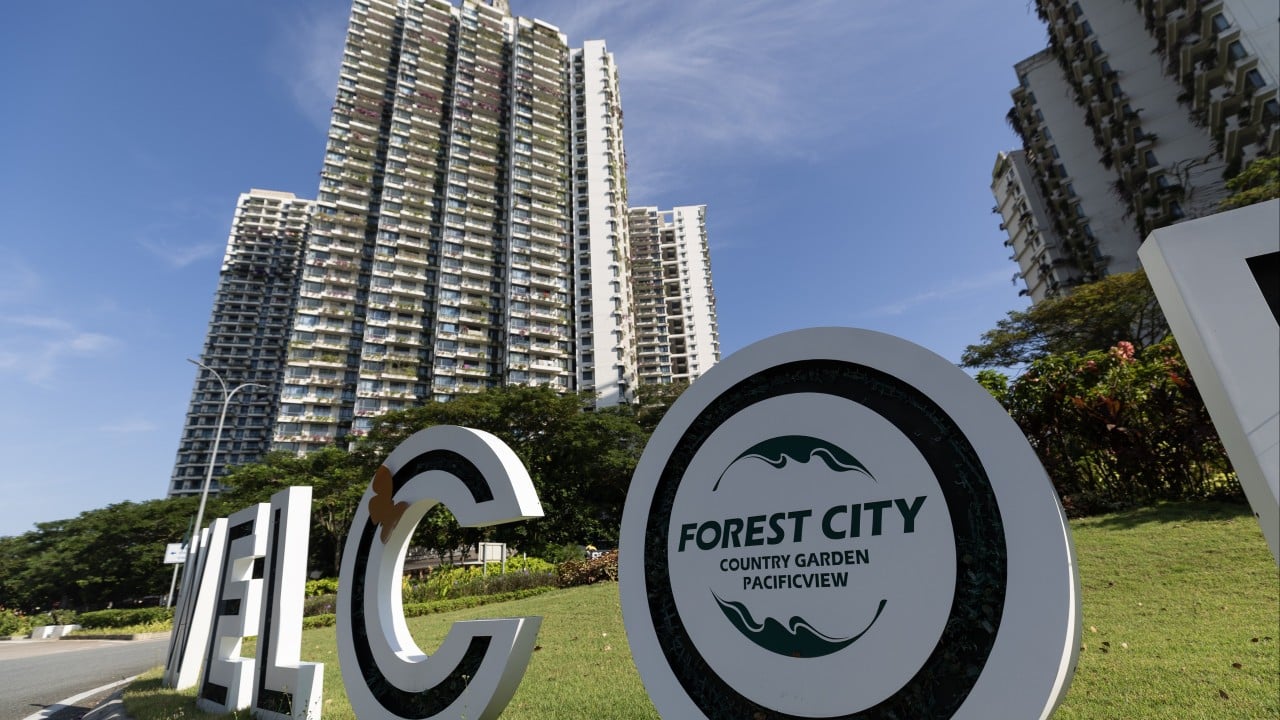
Malaysia's ambitious plan to transform Forest City, a China-backed development previously labeled a "ghost city," into a center for global wealth and mobile talent is encountering immediate governance challenges. Last week, Malaysian police conducted raids on 32 luxury homes within Forest City, uncovering two alleged online scam syndicates. During these coordinated operations, Johor police chief Ab Rahaman Arsad reported the detention of 335 individuals. These raids have intensified scrutiny on the effectiveness of regulatory oversight as the Malaysian government, under Putrajaya, pushes to revitalize the waterfront project situated adjacent to Singapore. The incident raises concerns about whether current governance structures are adequate to manage the influx of investment and development, particularly in ensuring legitimate business activities and resident safety.
The recent police raids within Forest City, uncovering alleged scam syndicates operating from luxury residences, highlight a critical governance tension. As Malaysia seeks to rebrand and revitalize this large-scale development, attracting global capital and talent, the incident underscores the imperative for robust regulatory frameworks and enforcement mechanisms. The challenge lies in balancing rapid development and investment promotion with the need for stringent oversight to prevent illicit activities and maintain the project's integrity. Future success will likely depend on the government's ability to adapt its governance structures proactively, ensuring that economic development initiatives do not outpace the capacity to ensure security and compliance, thereby safeguarding both investor confidence and the project's long-term viability.
AI-generated to prompt reflection — not editorial opinion, not advice, not a statement of fact. How this works.
