Forest Fire Preparedness: How Fire Departments Are Equipped to Combat Wildfires
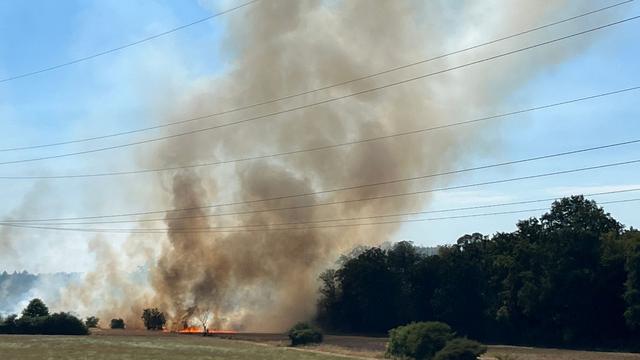
The risk of forest fires is increasing, prompting an examination of how fire departments are prepared to tackle these growing threats. This includes assessing the current equipment, training, and strategic deployment of firefighting resources. The focus is on understanding the capabilities and limitations of existing structures in place to manage and extinguish wildfires effectively.
Key considerations involve the availability of specialized vehicles, water sources, and aerial support. Furthermore, the training protocols for firefighters are being reviewed to ensure they possess the necessary skills to handle complex and rapidly evolving fire situations. Strategic planning also encompasses early detection systems and coordinated response mechanisms across different regions. The aim is to enhance the overall resilience and effectiveness of firefighting efforts in the face of escalating wildfire risks.
The increasing threat of forest fires necessitates a robust and adaptable response from firefighting agencies. Evaluating current preparedness involves assessing resource allocation, technological integration for early detection and suppression, and inter-agency cooperation. Future strategies should consider the long-term impacts of climate change on fire frequency and intensity, potentially requiring innovative solutions such as advanced sensor networks, drone deployment for monitoring and initial attack, and improved water management techniques. Investing in preventative measures, including controlled burns and public education campaigns, alongside enhanced response capabilities, will be crucial for mitigating risks and protecting vulnerable ecosystems and communities.
AI-generated to prompt reflection — not editorial opinion, not advice, not a statement of fact. How this works.