Forest Fire Retardant: What We Know About the Red Substance Dropped on Fires
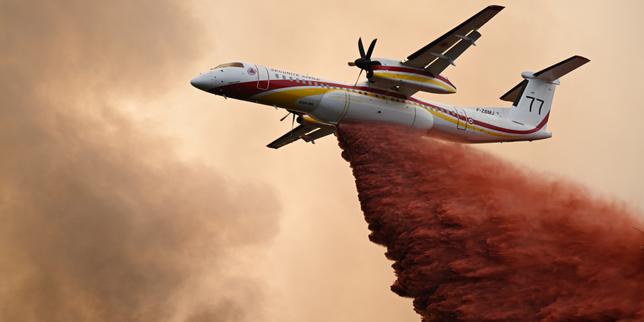
The red substance dropped on forests to slow the progression of flames is identified as Fire-Trol 931. This retardant is primarily composed of water and ammonium polyphosphate. While it does have some environmental impact, the risks associated with its use are considered significantly lower when compared to the detrimental effects of wildfires and their resulting smoke on both human health and the environment. The substance is deployed to create a buffer against the spread of fires, offering a critical tool in firefighting efforts.
The deployment of chemical retardants like Fire-Trol 931 highlights a critical trade-off in wildfire management between immediate fire suppression and potential long-term ecological consequences. While the substance's composition, primarily water and ammonium polyphosphate, is designed to mitigate immediate fire spread, its environmental footprint warrants ongoing scientific assessment. The stated comparison of risk, emphasizing the greater danger posed by uncontrolled fires, suggests a pragmatic approach to crisis intervention. Future strategies may involve further research into biodegradable retardants or integrated fire management techniques that minimize reliance on chemical agents, aligning with broader environmental sustainability goals over the next decade.
AI-generated to prompt reflection — not editorial opinion, not advice, not a statement of fact. How this works.