Forest Gardener: New Documentary Highlights Tapir Conservation Legacy in Brazil
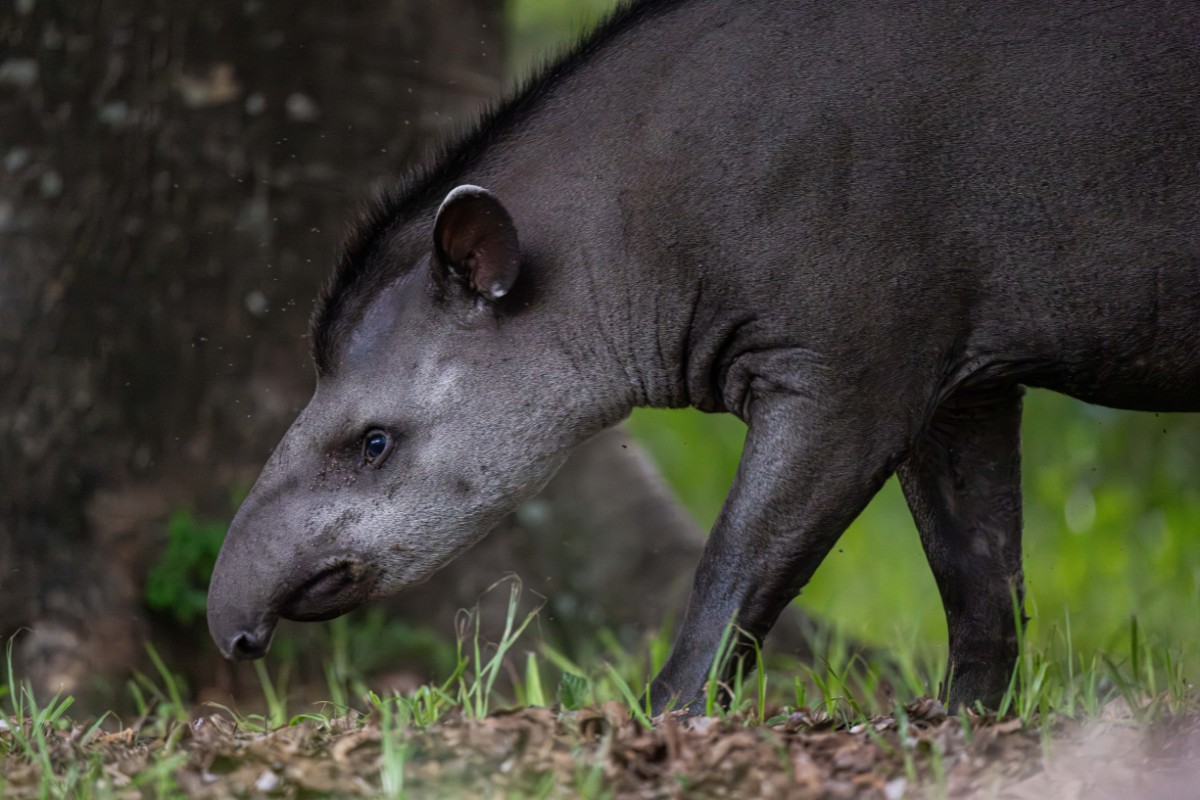
A new documentary, titled "Anta – O filme," shines a spotlight on the vital conservation efforts surrounding the South American tapir (Tapirus terrestris), often called the "forest gardener." This film celebrates the legacy of conservation that began 30 years ago in Teodoro Sampaio, São Paulo, with the founding of the National Initiative for the Conservation of the Brazilian Tapir (INCAB) by the Ecological Research Institute (IPÊ). The documentary, directed by photographer João Marcos Rosa and produced by NITRO Histórias Visuais, aims to deepen public understanding of the species and emphasize the importance of protecting Brazilian fauna. It will have its first public screening on Saturday, August 1st, at 7 PM in Teodoro Sampaio, SP. The film merges science, cinema, and environmental education, following researchers and volunteers dedicated to tapir conservation across Brazil's diverse biomes. It highlights the work of leading tapir researcher Patrícia Medici and features the long-term contributions of INCAB assistant José Maria Aragão, known as Zé. The documentary explores the tapir's ecological role, its behavior, diet, and the genetic diversity of the species. It addresses the threats tapirs face, including habitat fragmentation, hunting, and road accidents, particularly in areas like the Parque Estadual do Morro do Diabo. The film also seeks to challenge negative stereotypes associated with tapirs in Brazil, promoting a greater appreciation for their intelligence and crucial role in ecosystem health and climate change mitigation through seed dispersal. The production involved three months of pre-production and nearly a year of filming across six expeditions from March 2025 to February 2026, focusing on the origin of the project in the Morro do Diabo region.
This documentary underscores the critical role of keystone species like the tapir in maintaining ecosystem health and mitigating climate change through natural processes such as seed dispersal. The film's focus on a 30-year conservation effort initiated in a specific region of São Paulo highlights the long-term commitment required for effective environmental stewardship. By bringing together scientific research, visual storytelling, and educational outreach, the production aims to foster public engagement and challenge negative perceptions of the tapir. The narrative emphasizes how localized conservation initiatives, when scaled and sustained, can contribute significantly to broader biodiversity goals across multiple biomes. Future efforts might explore innovative funding models and policy frameworks to ensure the continued protection of tapirs and their habitats, especially in the face of ongoing anthropogenic pressures like habitat fragmentation and climate change.
AI-generated to prompt reflection — not editorial opinion, not advice, not a statement of fact. How this works.