Forestry Project Deaths During Heatwave: No Improvements After One Year
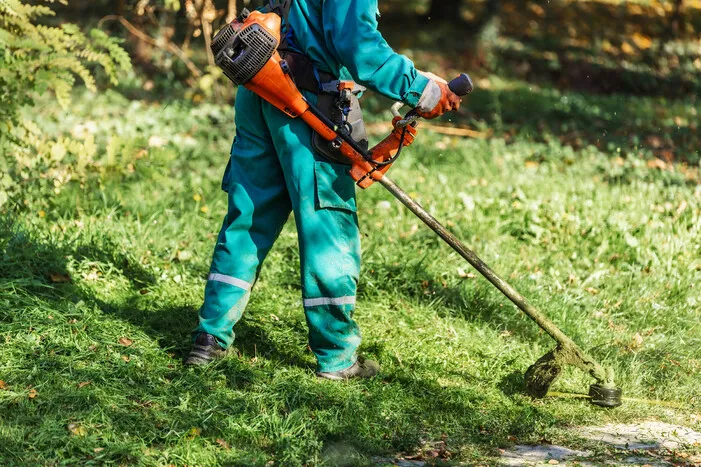
A year after a fatal forestry project during a heatwave claimed the lives of migrant workers, the safety measures remain unchanged. The incident, which occurred under extreme heat conditions, highlighted severe risks faced by migrant laborers in such environments. Despite the tragic loss of life, authorities have failed to implement any significant improvements to worker safety protocols. This lack of action raises serious concerns about the welfare and protection of vulnerable migrant workers in South Korea. The original incident involved multiple fatalities, underscoring the urgent need for revised safety standards and enforcement. Investigations at the time pointed to inadequate protective gear and insufficient rest periods as contributing factors. However, the continued absence of updated regulations suggests a systemic disregard for the well-being of these essential workers. The situation demands immediate attention from government agencies and forestry companies to prevent future tragedies. The lack of progress indicates a critical gap in labor protection for migrant workers engaged in physically demanding outdoor jobs. Without substantial policy changes, these workers remain exposed to life-threatening conditions.
The recurrence of inadequate safety measures for migrant workers in physically demanding jobs, particularly during extreme weather events like heatwaves, points to systemic governance failures. The lack of progress over a year suggests that current regulatory frameworks and enforcement mechanisms are insufficient to protect vulnerable populations. This situation highlights a potential conflict between economic imperatives driving forestry operations and the fundamental right to safe working conditions. Future policy should focus on strengthening oversight, mandating real-time environmental monitoring, and ensuring robust worker representation to address these persistent vulnerabilities. The long-term societal cost of such preventable tragedies, including loss of life and erosion of public trust, outweighs short-term operational efficiencies.
AI-generated to prompt reflection — not editorial opinion, not advice, not a statement of fact. How this works.