Forests Need New Trees to Thrive
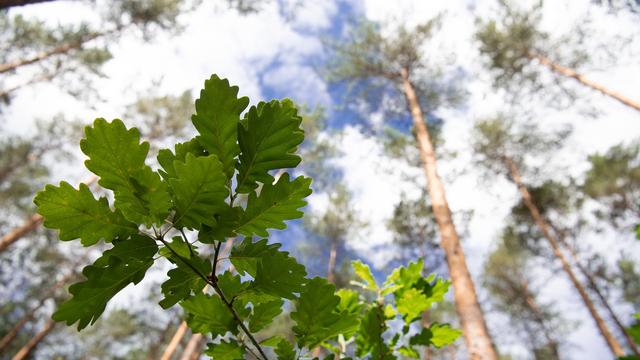
The German forest is in urgent need of new trees to overcome the challenges posed by climate change. Decades of monoculture and the resulting lack of biodiversity have made forests particularly vulnerable to pests, diseases, and extreme weather events like droughts and heatwaves. The current state of many forests is alarming, with significant damage observed across large areas.
To ensure the long-term health and resilience of German forests, a comprehensive strategy focusing on reforestation with diverse tree species is essential. This approach aims to create more robust ecosystems capable of withstanding future environmental stresses. The initiative emphasizes the importance of biodiversity not just for ecological balance but also for the economic and social functions that forests provide. The goal is to secure the future of these vital natural resources for generations to come.
The reliance on monoculture forestry practices, driven by past economic efficiencies, has created systemic vulnerabilities within German forests. Climate change acts as an accelerant, exposing the inherent fragility of these simplified ecosystems to pests and extreme weather. The call for new, diverse tree species represents a necessary adaptation, shifting from a focus on timber production to ecological resilience. This transition highlights a broader challenge in natural resource management: balancing short-term economic gains with long-term environmental sustainability. Over the next decade, the success of such reforestation efforts will be a key indicator of society's ability to adapt natural systems to a changing climate, underscoring the interconnectedness of ecological health and human well-being.
AI-generated to prompt reflection — not editorial opinion, not advice, not a statement of fact. How this works.