Formal Charges Sought Against 26 in Bangladesh Uprising Killings
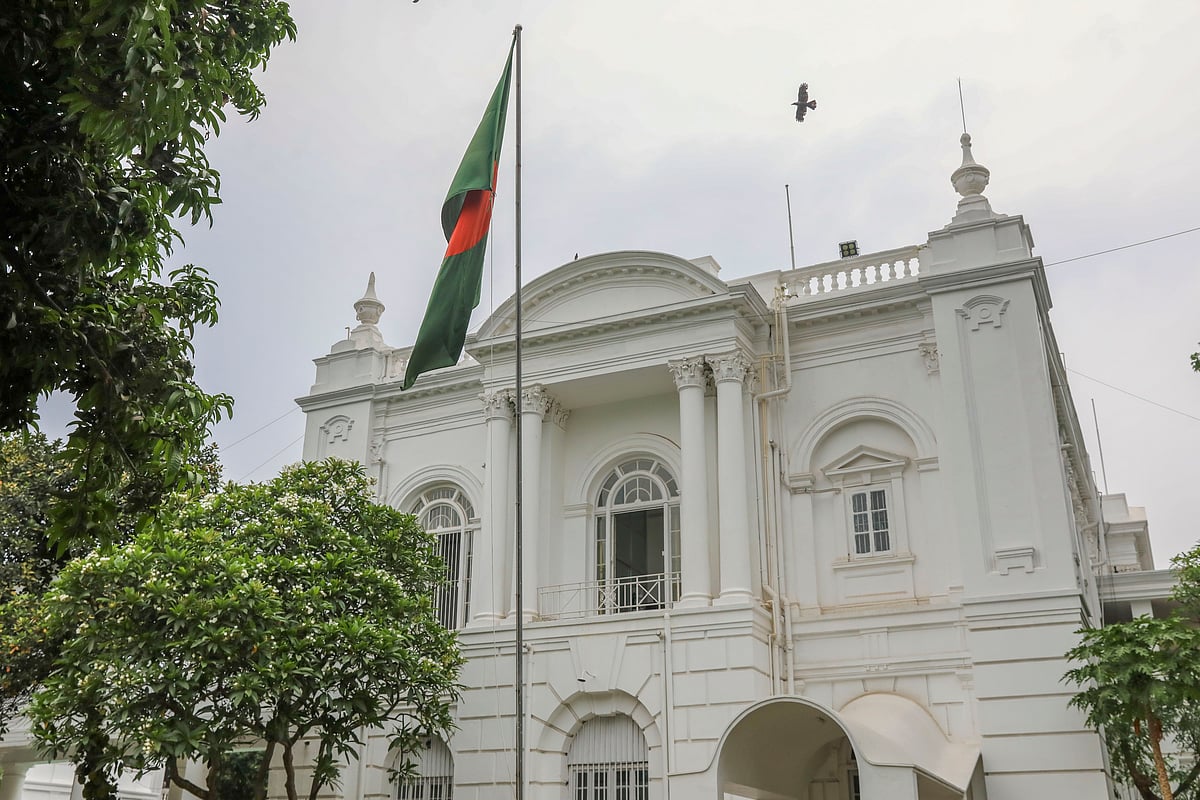
Prosecutors have requested the formal indictment of 26 individuals accused in connection with the killings of 11 people, including Mir Mahfuzur Rahman Mugdho, during the July general uprising in Uttara, Dhaka. The application was filed with International Crimes Tribunal-1 on Tuesday. Among the 26 defendants, eight are currently in custody, including former Additional Superintendent of Police Mirza Salahuddin. The remaining 18 defendants are at large, including former Member of Parliament Habibur Hasan, former DMP Commissioner Habibur Rahman, and former DC of Uttara Division Kazi Ashraful Azim.
The prosecution has brought forward two main charges. The first charge details the events of July 18, 2024, in Uttara Sector 3, where Mir Mahfuzur Rahman Mugdho, a student at the Bangladesh University of Professionals, was shot while distributing water and biscuits to student protesters and assisting the injured. He was pronounced dead at Uttara Crescent Hospital. On the same day, Zahiduzzaman Tanvin, Sheikh Fahmin Jafar, Md. Shakil Hossain, Md. Sabbir Hossain, and Sojib Sarkar were fatally shot in the Uttara area. Additionally, Uber driver Mokhlesur Rahman Durjoy was killed by being crushed under the rear wheel of an armored personnel carrier (APC) in Uttara.
The second charge pertains to July 19, 2024, when Ridowan Sharif, Md. Sabbir Islam, Md. Asadullah, and Naima Sultana were shot and killed in the Uttara area.
This case highlights the legal and political complexities following periods of significant civil unrest. The prosecution's move to seek formal charges against a large group of defendants, including former officials and a former MP, indicates an effort to establish accountability for alleged atrocities. The prosecution's approach, detailing specific incidents and victims, aims to build a case based on documented evidence. The significant number of absconding defendants suggests potential challenges in bringing all accused individuals to justice. Future proceedings will likely focus on the evidence presented for each charge, the legal standards for proving guilt in such cases, and the broader implications for transitional justice and reconciliation in Bangladesh. The case also underscores the critical role of the judiciary in navigating the aftermath of political upheaval and ensuring due process for all parties involved.
AI-generated to prompt reflection — not editorial opinion, not advice, not a statement of fact. How this works.