Formaldehyde in Food: Health Hazard Crossing Cameroon-Gabon Border
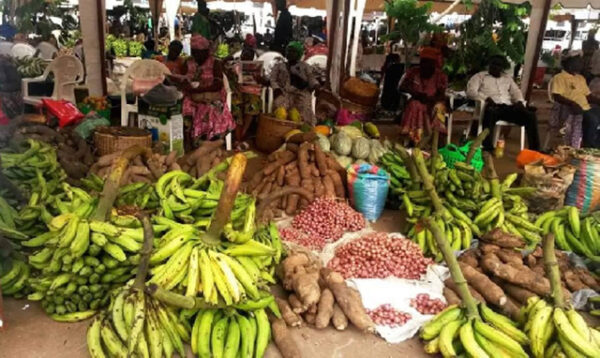
A dangerous health risk is crossing the border from Cameroon to Gabon, involving the illegal use of formaldehyde in food products. This chemical, classified as carcinogenic, is being used by some traders in Cameroon to artificially ripen fruits like bananas overnight and give fish a false appearance of freshness. Cameroon is a primary supplier of fresh produce to Gabon's popular markets. This harmful practice has been acknowledged and is being combated within Cameroon. The illicit use of formaldehyde poses a significant health threat to consumers in Gabon who are unknowingly purchasing these treated items. Authorities are aware of the issue and are reportedly taking steps to address it, though the extent of its prevalence and the effectiveness of current measures remain concerns.
The illicit use of formaldehyde in food, particularly by a primary supplier nation like Cameroon to its neighbor Gabon, highlights significant regulatory and enforcement gaps. This practice exploits consumer trust and poses a direct public health threat, disproportionately affecting populations reliant on imported fresh goods. Addressing this requires robust cross-border cooperation, enhanced inspection protocols at points of entry, and public awareness campaigns in both nations. The long-term implications include potential chronic health issues for consumers and damage to legitimate trade relationships, underscoring the need for sustainable food safety systems that prioritize consumer well-being over short-term commercial gains.
AI-generated to prompt reflection — not editorial opinion, not advice, not a statement of fact. How this works.