Formentera: An Island of Shifting Faces
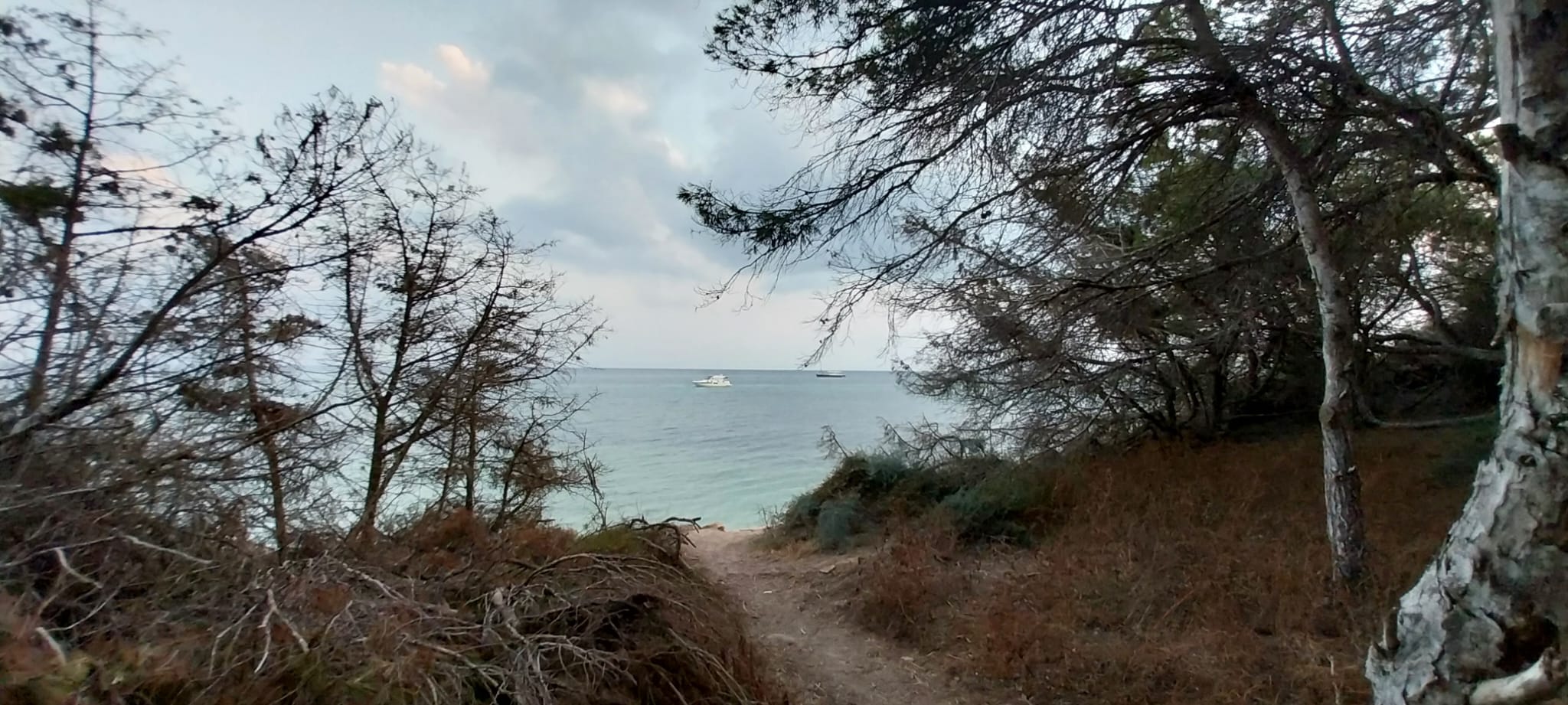
Formentera, a Spanish island, is described as presenting different facets of its character depending on the circumstances and fortune. These facets are metaphorically likened to mythical beings: the Lestrigonians, known for their predatory nature; the Phaeacians, characterized by their kindness and hospitality; and the Sirens, representing seduction and allure. This suggests that the island's atmosphere and experiences can vary dramatically, offering a complex and multifaceted destination for visitors. The comparison implies that one might encounter challenging or even hostile conditions, followed by periods of warmth and welcome, and moments of irresistible charm. Ultimately, Formentera is portrayed not as a monolithic entity, but as a dynamic landscape whose perceived nature is fluid and dependent on external factors and the visitor's own journey.
This metaphorical framing of Formentera as a place of shifting, mythical personas highlights the subjective nature of travel experiences. It suggests that destination appeal can be influenced by a confluence of factors, including seasonality, economic conditions, and the specific interactions a visitor has. Understanding these variable 'faces' is crucial for tourism management, as it implies a need for adaptive strategies that can cater to diverse expectations and potential challenges. Over the next decade, as AI-driven personalization in travel becomes more sophisticated, platforms may leverage such nuanced descriptions to better match travelers with destinations that align with their desired experiences, while also providing realistic insights into potential drawbacks.
AI-generated to prompt reflection — not editorial opinion, not advice, not a statement of fact. How this works.