Former Air Force General Questions Trump Administration's Arms Sales to Taiwan
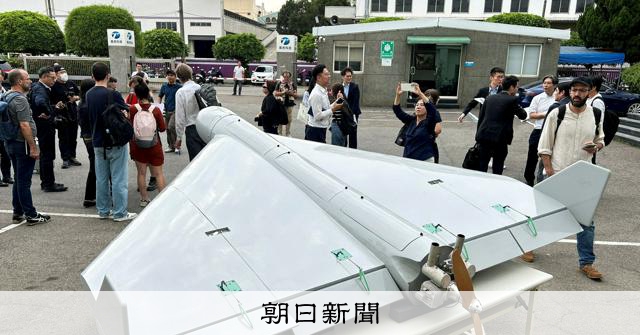
A former Major General of the Japan Air Self-Defense Force has questioned the rationale behind the Trump administration's arms sales to Taiwan. The retired general, whose name was not provided, expressed concern that Taiwan might be viewed as a convenient business partner by the U.S. administration. The statement was made in response to recent decisions regarding military equipment transfers to Taiwan. The specific nature of the arms sales and the exact context of the former general's remarks were not detailed in the provided information. However, the implication is a critique of the strategic or ethical considerations guiding these transactions. The comments suggest a potential disconnect between geopolitical strategy and commercial interests in U.S. foreign policy concerning Taiwan. Further details regarding the specific weapons systems, their value, and the broader implications for regional security were not available.
This situation highlights the complex interplay between national security interests and economic considerations in international arms sales. The former general's query probes whether Taiwan's role is primarily strategic or transactional from the perspective of the Trump administration. Such arms deals often involve significant financial transactions, potentially creating incentives that might overshadow long-term geopolitical stability or diplomatic nuances. Examining the U.S.'s long-standing policy towards Taiwan, including its commitment to the island's defense and its relationship with mainland China, provides a crucial backdrop. Future policy decisions will likely continue to navigate these competing pressures, seeking a balance that upholds security objectives while managing economic benefits and international relations.
AI-generated to prompt reflection — not editorial opinion, not advice, not a statement of fact. How this works.