Former Argentine President Cristina Kirchner Should Not Receive State Pension After Fraud Conviction
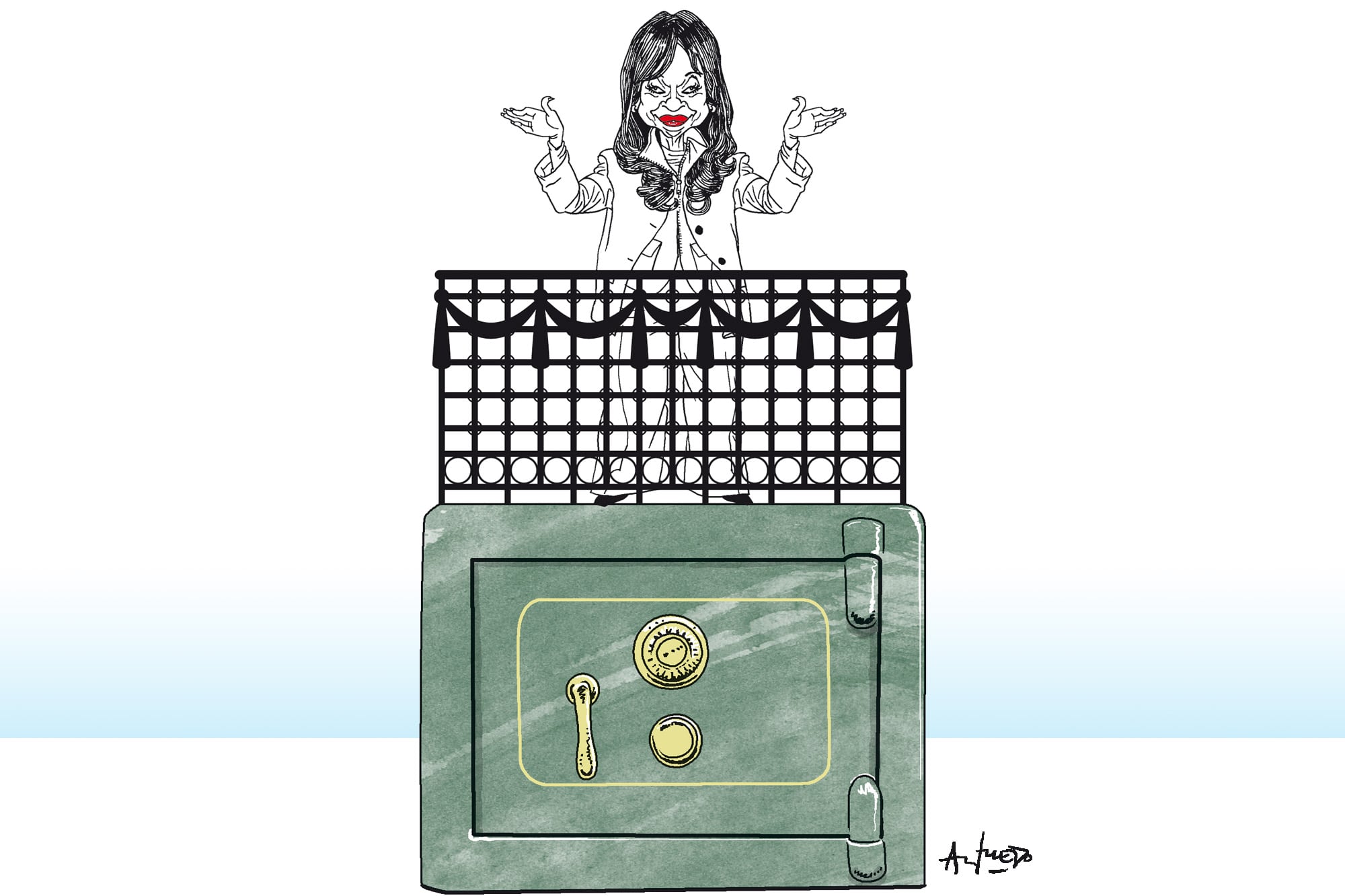
Cristina Kirchner, a former president of Argentina, should not be eligible to receive a state pension or any other privileged benefit. This stance is based on her conviction for serious crimes against public administration. The principle articulated is that individuals found guilty of significant offenses against the state's governance should forfeit any entitlement to public funds, such as retirement benefits. This case highlights a broader debate about accountability and the use of public resources when individuals in high office are found to have engaged in corrupt practices. The conviction implies a breach of trust and a violation of the public's interest, which proponents of this view argue disqualifies them from receiving state-funded benefits.
The legal conviction of a former head of state for crimes against public administration raises critical questions about governance and the ethical use of public funds. The principle that individuals found guilty of significant offenses should not benefit from state pensions challenges established retirement systems and highlights a potential conflict between legal accountability and existing entitlements. This situation prompts consideration of the incentive structures within public service and the need for robust mechanisms to ensure that public trust is maintained. Examining the long-term implications for democratic institutions, it is crucial to ensure that accountability frameworks are perceived as fair and effective, thereby reinforcing public confidence in the integrity of government.
AI-generated to prompt reflection — not editorial opinion, not advice, not a statement of fact. How this works.