Former ASP Fazlur Rahman Sent to Jail in Sukhoronjon Bali Disappearance Case
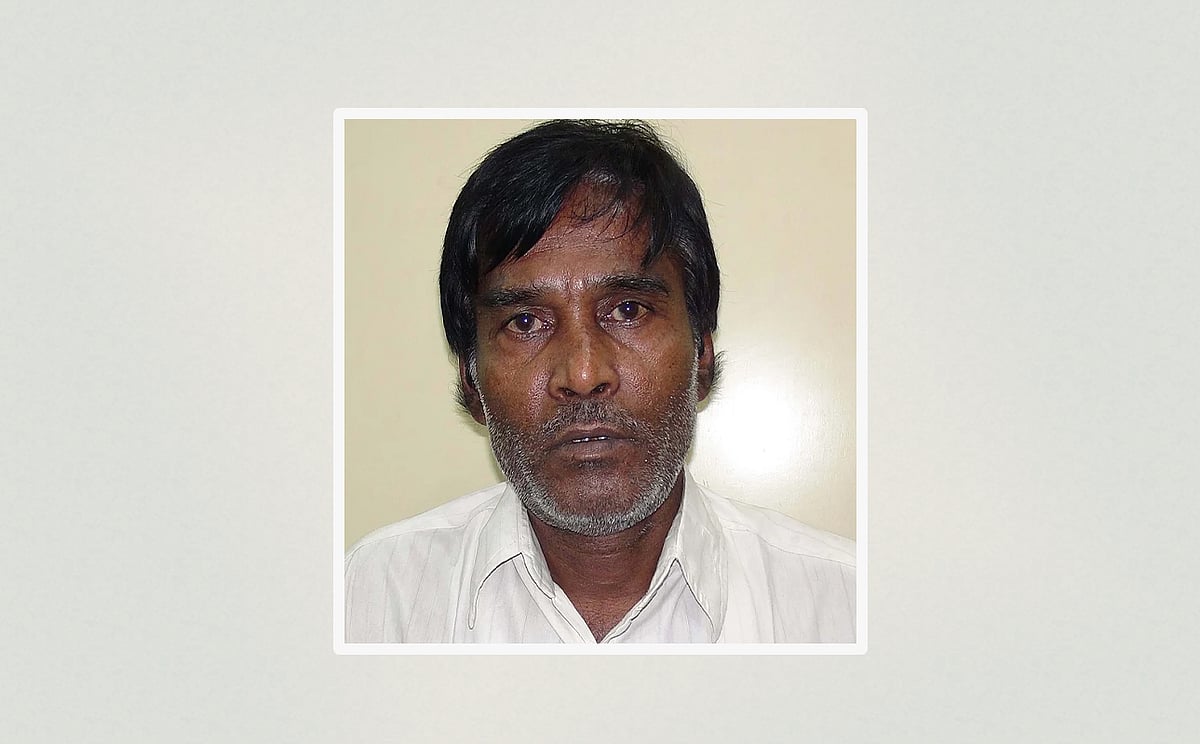
Retired Assistant Superintendent of Police (ASP) Md. Fazlur Rahman has been sent to jail in a case related to crimes against humanity, specifically the abduction, disappearance, and torture of Sukhoronjon Bali. International Crimes Tribunal-1 issued this order on Thursday. Fazlur Rahman was arrested from his residence in Badda, Dhaka, on July 2nd. According to prosecutor Gazi Monawar Hossain Tamim, Sukhoronjon Bali was abducted under the supervision of Fazlur Rahman, who had already been arrested in a separate abduction case. The tribunal ordered Fazlur Rahman's imprisonment after he was presented before them, having previously been produced before a magistrate court due to the tribunal's recess. The tribunal has also mandated the submission of an investigation report by September 23rd. Sukhoronjon Bali had 'disappeared' in 2012 after testifying for Jamaat-e-Islami leader Delawar Hossain Sayedee at the International Crimes Tribunal during the Liberation War. He later reported being taken to an Indian prison. Last year, on August 21st, Sukhoronjon Bali filed a complaint at the Chief Prosecutor's office of the International Crimes Tribunal, alleging his illegal imprisonment in India for nearly five years, along with abduction and torture. His complaint named 32 individuals, including former Prime Minister Sheikh Hasina and former Chief Justice Surendra Kumar (SK) Sinha.
This case highlights the complexities of justice for alleged wartime atrocities, where the legal process for investigating and prosecuting individuals accused of crimes against humanity can extend for years. The tribunal's decision to remand the former ASP indicates that sufficient grounds were presented to proceed with the charges. The extended timeline and the involvement of individuals testifying in high-profile cases suggest potential political dimensions and the challenges of gathering evidence and ensuring witness safety in such sensitive matters. Future considerations should focus on streamlining investigative processes while upholding due process, ensuring accountability for alleged perpetrators, and providing closure for victims within a reasonable timeframe, particularly in the context of evolving international legal standards and the potential for historical revisionism.
AI-generated to prompt reflection — not editorial opinion, not advice, not a statement of fact. How this works.