Former Bangladesh PM Sheikh Hasina and 40 Others Charged with Crimes Against Humanity
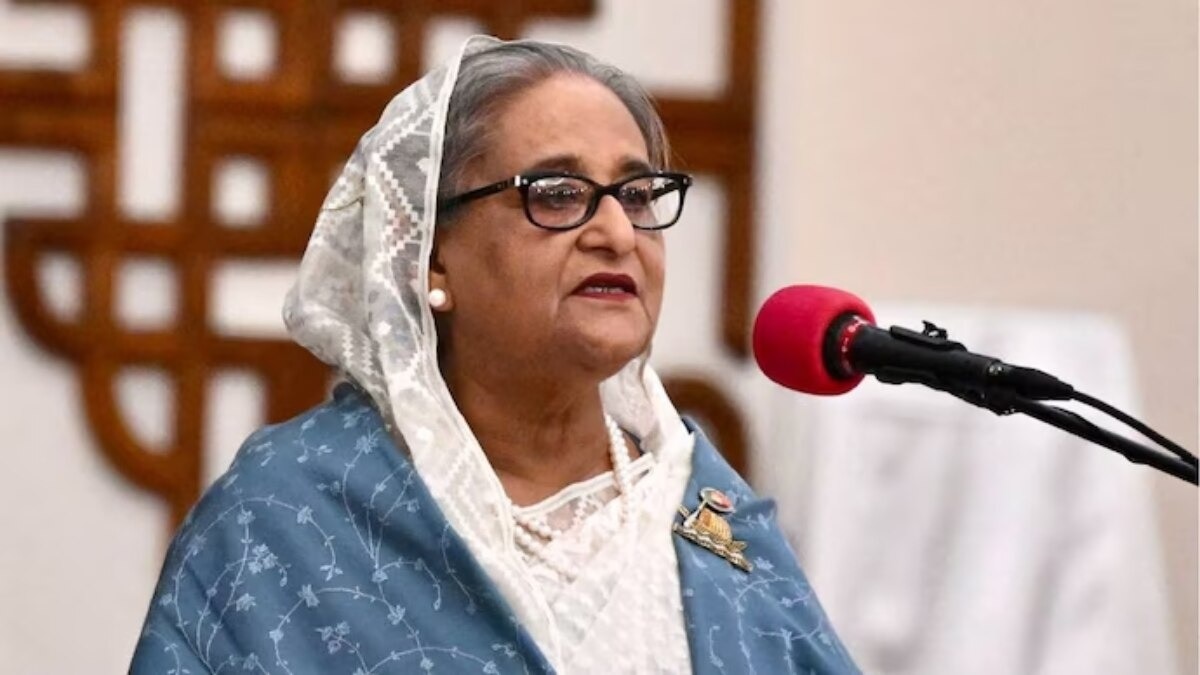
A special court in Bangladesh has filed charges of crimes against humanity against former Prime Minister Sheikh Hasina and 40 other individuals. These charges stem from deaths that occurred during police action at a Hefazat-e-Islam rally in Dhaka in 2013. The court has issued arrest warrants for the fugitives involved in this case. The legal proceedings are being conducted by a special tribunal, indicating the gravity of the accusations. The specific details of the police action and the alleged crimes are central to the ongoing investigation. This development marks a significant legal challenge for the former Prime Minister and her associates. The court's decision to proceed with the charges and issue warrants signifies a move towards accountability for the events of 2013. Further details regarding the evidence presented and the trial process are expected to emerge as the case progresses.
The charges against former Prime Minister Sheikh Hasina and 40 others, related to events in 2013, bring into focus the complexities of political accountability and the rule of law in Bangladesh. The legal process, initiated by a special court, suggests a formal mechanism for addressing alleged human rights violations. Such actions can be viewed through the lens of establishing precedents for accountability, potentially influencing future governance and the conduct of state security forces. The issuance of arrest warrants for fugitives highlights the judicial branch's assertion of authority. Moving forward, the case will likely test the balance between political stability and the pursuit of justice, with implications for democratic institutions and international perceptions of human rights protections within the country.
AI-generated to prompt reflection — not editorial opinion, not advice, not a statement of fact. How this works.