Former Bangladesh President to Receive Benefits After Resignation
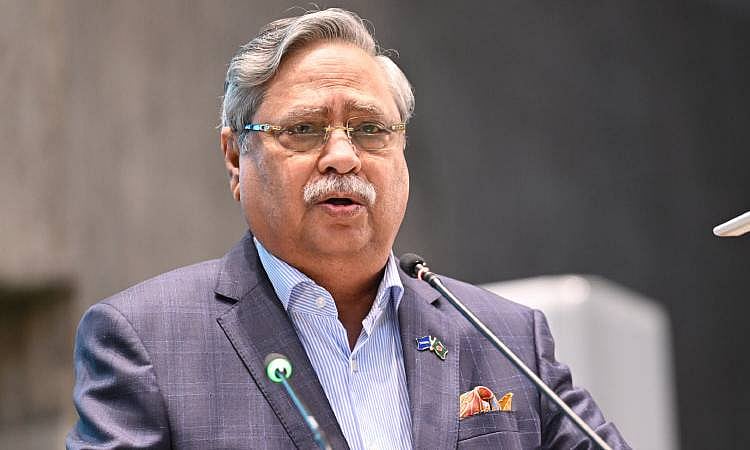
Mohammad Shahabuddin resigned as the 22nd President of Bangladesh on Friday, having assumed office on April 24, 2023. Despite his resignation, he is entitled to several benefits as a former head of state, as outlined in the "President's Retirement Allowance, Gratuity and Other Facilities Act." According to the law, former presidents who have served at least six months are eligible for a monthly retirement allowance equivalent to 75% of their last monthly salary. With the current presidential salary set at 120,000 Bangladeshi Taka, Shahabuddin will receive 90,000 Taka monthly. If a former president dies, their surviving spouse will receive two-thirds of the retirement allowance for life. Alternatively, former presidents can opt for a one-time gratuity payment instead of the monthly allowance, calculated based on their years of service. If a president dies before expressing a preference for gratuity or retirement allowance after serving more than six months, it is presumed they intended to receive the gratuity, which would then go to their nominee or heirs. In addition to financial benefits, Shahabuddin will also receive a personal assistant, an attendant, and an annual allowance for official expenses, the amount of which will be determined by the government. He is also entitled to medical facilities equivalent to those of a minister, free use of government vehicles for official events, a subsidized telephone connection at his residence, and a diplomatic passport. These privileges, including accommodation in government circuit houses and rest houses nationwide without charge, will also extend to his spouse. However, these benefits can be forfeited if a former president accepts a salary or other benefits from a designated fund for holding another office after their presidential term. Conviction for a crime involving moral turpitude by a court or a high court declaration of holding the presidential office through unconstitutional means will also disqualify them from receiving these post-presidency benefits.
This event highlights the established system of post-service benefits for high-ranking public officials, designed to ensure a dignified transition and acknowledge their contributions. The legal framework provides a clear structure for retirement allowances, gratuities, and essential support services, aiming to prevent financial hardship and maintain a certain status. From a systemic perspective, such provisions can be viewed as incentives for public service, though they also raise questions about fiscal sustainability and equity relative to benefits for other public servants or citizens. Future considerations may involve aligning these benefits with evolving economic conditions and broader societal expectations regarding public office and its remuneration, ensuring transparency and accountability in the allocation of public resources.
AI-generated to prompt reflection — not editorial opinion, not advice, not a statement of fact. How this works.