Former Bekasi Regent Ade Kuswara Sentenced to 7 Years for Bribery
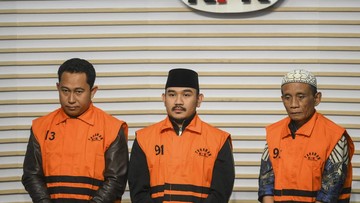
Prosecutors have demanded a seven-year prison sentence for Ade Kuswara, the non-active Regent of Bekasi, in connection with a bribery case involving Rp12.4 billion. His father, identified as Abah Kunang, faces a four-year prison term. The charges stem from allegations of corruption and illicit enrichment during Ade Kuswara's tenure as regent. The prosecution presented evidence suggesting a significant sum of money was exchanged as bribes. The court will now consider the arguments from both the prosecution and the defense before delivering a final verdict. This case highlights ongoing efforts to combat corruption within local government structures in Indonesia. The severity of the sentence sought reflects the gravity with which such financial crimes are viewed by the judicial system. The outcome of this trial could have implications for public trust in governance and the accountability of elected officials.
The prosecution's demand for a seven-year sentence for the former Bekasi Regent, Ade Kuswara, and a four-year sentence for his father, Abah Kunang, in a Rp12.4 billion bribery case underscores the significant penalties associated with corruption in public office. This case reflects a broader trend of increased scrutiny and enforcement against financial malfeasance among Indonesian officials. The substantial sum involved suggests potential systemic issues in governance and oversight mechanisms that allowed such a transaction to occur. Moving forward, strengthening internal controls, promoting transparency in financial dealings, and ensuring robust accountability frameworks will be crucial to deterring future corruption and rebuilding public confidence in governmental integrity. The legal process will determine culpability, but the incident raises questions about the incentives and ethical considerations within the administrative structures of local governance.
AI-generated to prompt reflection — not editorial opinion, not advice, not a statement of fact. How this works.
