Former Bishop Becomes Defendant After Priest Reports Sexual Abuse and Exploitation
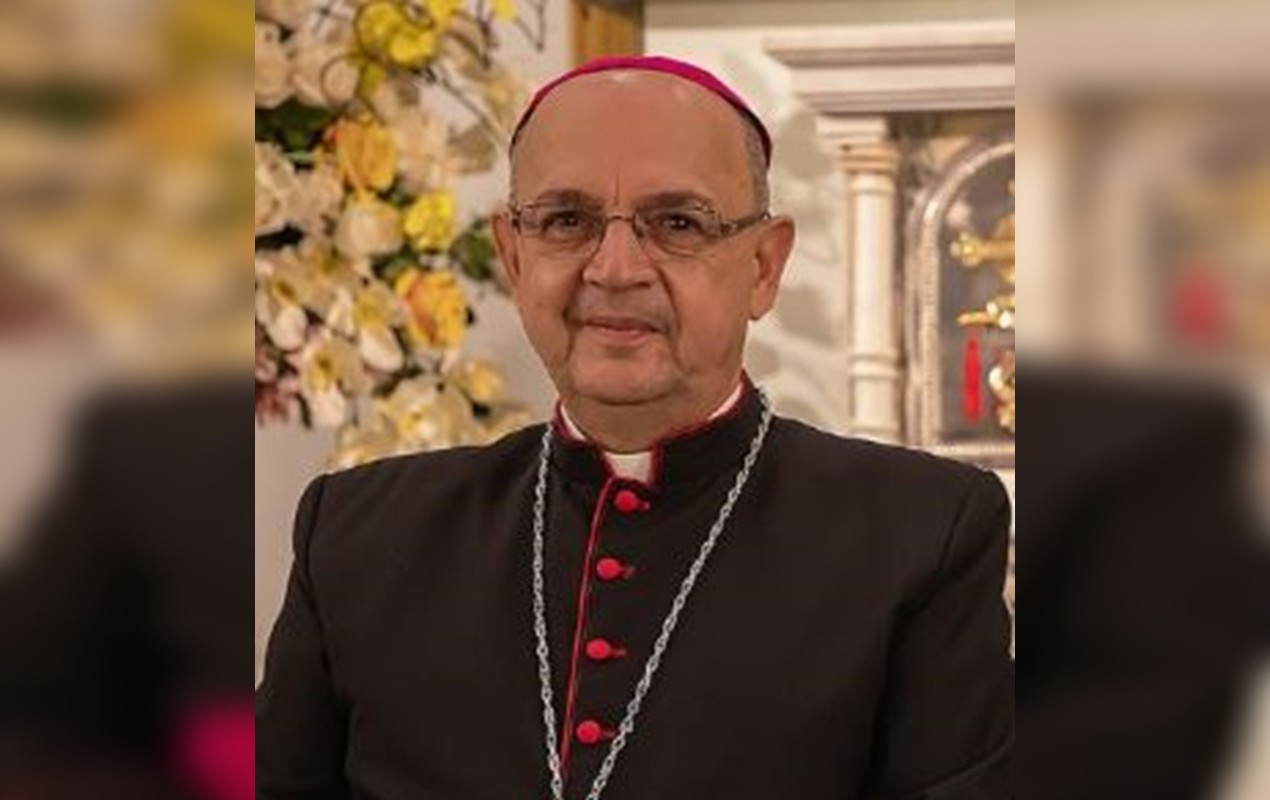
Former Bishop Valdir Mamede of the Diocese of Catanduva, São Paulo, has been formally charged with sexual harassment by the Public Prosecutor's Office of São Paulo (MP-SP). The charges stem from a complaint filed by a priest who alleges a series of sexual abuses occurred between 2019 and 2023. The MP-SP asserts that Mamede exploited his hierarchical and religious authority over the priest to engage in non-consensual sexual acts, using threats of canonical punishment to coerce the victim. The court officially accepted the complaint, making Mamede a defendant in the case. The alleged incidents include Mamede requesting the priest to shave his body as a pretext for sexual advances, engaging in masturbation during video calls, and an instance where Mamede, appearing intoxicated, masturbated on the victim's bed at his home. Forensic analysis of biological material collected by the victim reportedly confirmed it belonged to a male individual. The prosecutor, Caíque Ducatti, stated that the evidence suggests continuous abuse facilitated by Mamede's leadership position. The MP-SP is also seeking R$300,000 in moral damages for the priest, who is currently on medical leave due to psychological distress. The investigation has reportedly uncovered indications of similar conduct involving other seminarians. Mamede had previously resigned from his position in November 2023 without stating a reason. The case is being handled under judicial secrecy, with further proceedings to include testimony from victims, witnesses, and the accused. The court has also been asked to impose precautionary measures, such as prohibiting contact with the victim and restricting Mamede's presence in specific church locations.
This case highlights the critical issue of power dynamics within religious institutions and the potential for abuse when hierarchical authority is exploited. The allegations, if proven, underscore the importance of robust oversight mechanisms and independent reporting channels to protect vulnerable individuals. The legal process initiated by the MP-SP aims to address these alleged transgressions through due process, seeking accountability and restitution. Moving forward, the Catholic Church, like other large organizations, faces ongoing challenges in fostering environments of trust and safety, particularly in the context of evolving societal expectations and increased awareness of institutional misconduct. The long-term implications for church governance and pastoral care will likely involve re-evaluating internal accountability structures and reinforcing ethical training for clergy.
AI-generated to prompt reflection — not editorial opinion, not advice, not a statement of fact. How this works.