Former Bishop Roger Vangheluwe, Who Resigned Amid Abuse Scandal, Dies at 89
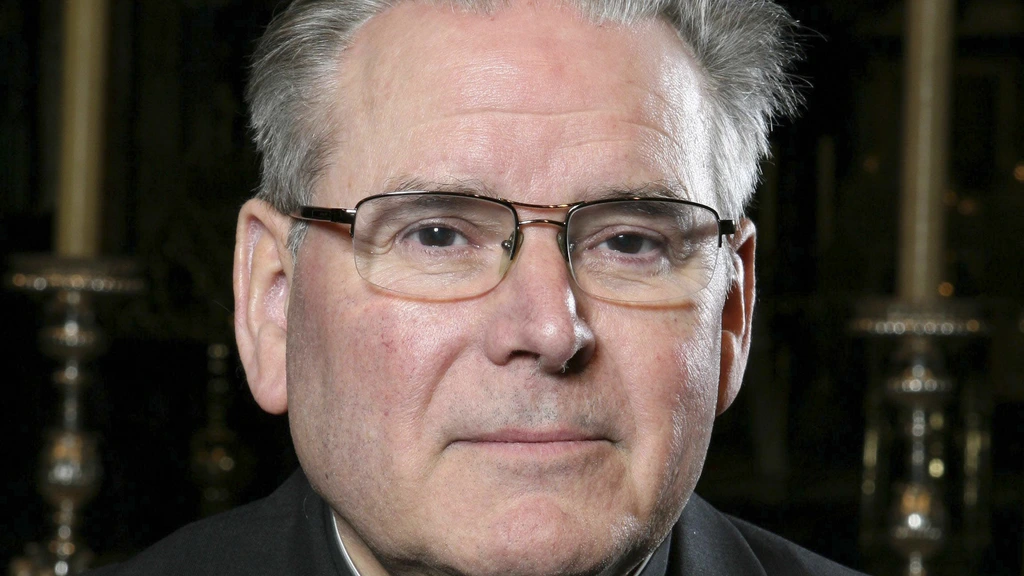
Roger Vangheluwe, the former bishop of Bruges, has passed away at the age of 89. Vangheluwe's tenure was marred by a significant abuse scandal that came to light in 2010, revealing he had sexually abused his underage nephew for years. This abuse began before he became bishop and continued thereafter. Following the revelations, he resigned from his position in Bruges and retreated to a monastery. In a 2011 television interview, he confessed to the abuse of one nephew and admitted to abusing a second nephew as well. Additional accusations later emerged, including one from a man who claimed to have been abused by Vangheluwe as an altar boy in the early 1970s. Although a criminal investigation was initiated by the Bruges prosecutor's office, it was closed due to the statute of limitations. Vangheluwe initially resisted relinquishing his titles despite public outcry. However, under pressure from another bishop, he agreed in 2024 to do so, formally renouncing his clerical status and associated rights through a letter to Pope Francis, which the Pope granted. The scandal surrounding Vangheluwe in 2010 also prompted a wider investigation into abuse within the Belgian Church, known as Operation Chalice, which uncovered dozens of cases involving Catholic clergy. Vangheluwe died on July 1, and his passing was announced today by the Belgian Bishops' Conference. He was buried in private, and the conference acknowledged the potential distress this news may cause to victims, reiterating their commitment to acknowledging and caring for those harmed by sexual abuse within the Church.
The passing of Roger Vangheluwe brings a close to a life marked by significant leadership within the Catholic Church and profound personal failings. The revelation of his abuse, occurring both before and after his episcopal appointment, highlights systemic vulnerabilities within institutions tasked with safeguarding the vulnerable. While legal avenues for accountability were limited by statutes of limitations, the eventual renunciation of his clerical status signifies a formal, albeit delayed, institutional acknowledgment of his transgressions. This event underscores the ongoing challenge for religious organizations to balance institutional integrity, historical accountability, and the imperative to support survivors of abuse. Future governance models may need to incorporate more robust mechanisms for early detection, immediate intervention, and transparent resolution, irrespective of an individual's position or the passage of time, to rebuild trust and ensure the safety of those under their care.
AI-generated to prompt reflection — not editorial opinion, not advice, not a statement of fact. How this works.