Former Bus Driver Arrested After Stealing Vehicle Due to "Nostalgia for Profession"
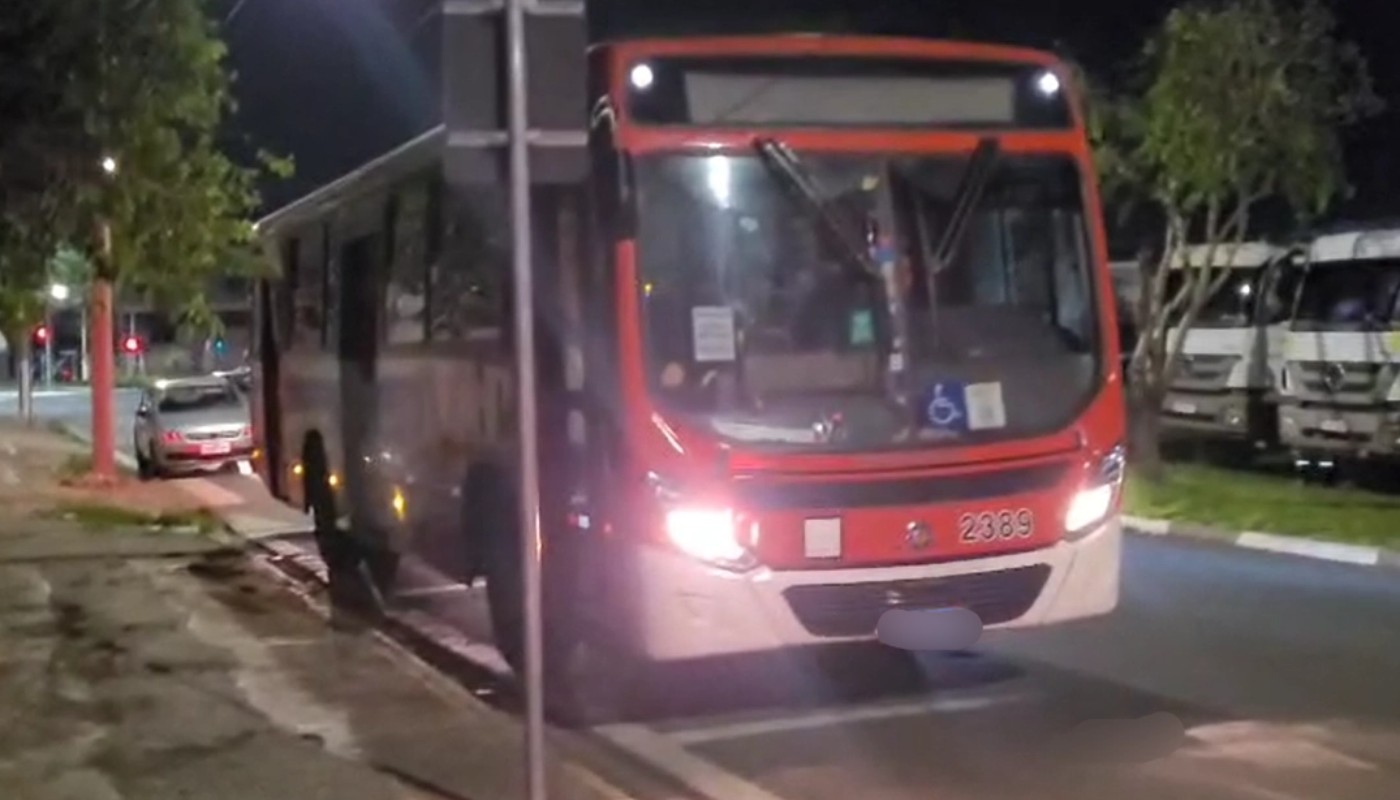
A 59-year-old man was apprehended in Hortolândia, São Paulo, Brazil, after stealing a public transport bus from the Padre Anchieta terminal in Campinas on Tuesday night, November 14th. The man, exhibiting signs of intoxication, claimed he took the bus for a joyride out of longing for his former profession as a driver. The theft occurred while the official driver was briefly using the restroom at the terminal, only to discover the bus missing upon return. Fortunately, the bus was out of service at the time, meaning no passengers were on board. The stolen bus was located by Military Police and the Municipal Guard during a patrol in Hortolândia's Jardim das Figueiras neighborhood. Authorities stopped the vehicle by entering through the rear door and turning off the ignition. The suspect was removed from the bus and taken to the local police station. Representatives from the bus company filed a police report and confirmed the vehicle was recovered without any damage. The incident highlights a peculiar motive for a criminal act, driven by a former professional's apparent sentimentality.
This incident presents a unique case where a former professional's alleged "nostalgia" led to the theft of a public transport vehicle. From a systemic perspective, the event raises questions about operational security protocols within public transit terminals, particularly concerning vehicle accessibility when out of service. The individual's reported intoxication and subsequent actions suggest potential underlying personal challenges that may warrant attention beyond immediate legal consequences. The swift recovery of the undamaged vehicle and the lack of passenger involvement mitigate immediate public safety risks. However, the narrative underscores the complex interplay between individual psychological states, professional identity, and public infrastructure, prompting consideration of how such factors might be addressed to prevent future occurrences.
AI-generated to prompt reflection — not editorial opinion, not advice, not a statement of fact. How this works.