Former Champions League Winner Becomes Ride-Share Driver Amid Depression Battle
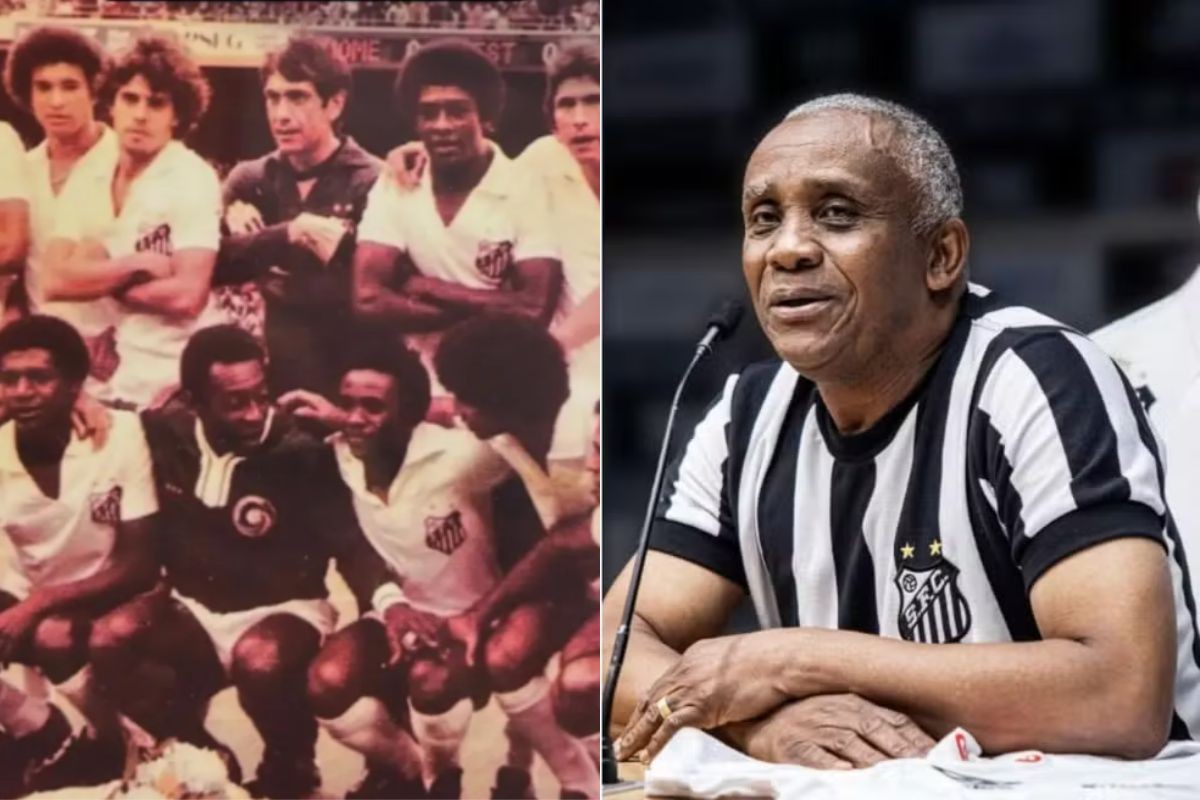
Juary Jorge dos Santos Filho, a 67-year-old former footballer who once played alongside Pelé, has found a new purpose as an app-based ride-share driver in the Baixada Santista region of São Paulo, Brazil. This career change comes as he battles depression, a mental health condition characterized by persistent sadness and loss of interest. Juary, who was a key player for Santos FC, scored 101 goals in 229 matches, making him the club's fifth-highest scorer in the post-Pelé era. He participated in Pelé's final professional match in 1977, an exhibition game between the New York Cosmos and Santos. His career highlights include winning the Champions League with FC Porto in the 1986/1987 season, scoring the winning goal against Bayern Munich, and securing the Intercontinental Cup that same year. He also won the São Paulo State Championship with Santos in 1978, where he was the team's top scorer with 29 goals. Juary also played for clubs like Inter Milan and Ascoli in Italy, and Universidad Guadalajara in Mexico. After retiring from professional football in 1990, he briefly worked with Santos' youth academy and most recently coached a team in Curitiba in 2025. Earlier this year, Juary began experiencing symptoms of depression, describing a lack of energy and motivation. Prompted by his family, he decided to become a ride-share driver approximately two months ago, a role he now finds fulfilling. He works from Monday to Saturday, and has even been recognized by passengers who recall his playing days, leading to emotional encounters.
Juary's transition from a celebrated European champion footballer to an app-based driver underscores the profound personal challenges that can follow a high-profile career, particularly when impacted by mental health issues like depression. This situation highlights a broader societal challenge: the often-difficult reintegration of athletes into civilian life and the need for robust support systems that extend beyond their playing years. While Juary has found a new source of purpose and engagement through driving, his experience prompts reflection on the long-term career pathways and mental health resources available to former professional athletes. The narrative also implicitly questions the sustainability of traditional career models in the face of evolving economic landscapes and the increasing prevalence of the gig economy, suggesting that adaptability and finding meaning in diverse roles are becoming essential life skills for all, regardless of past achievements.
AI-generated to prompt reflection — not editorial opinion, not advice, not a statement of fact. How this works.