Former Champions League Winner Juary Becomes Ride-Share Driver to Combat Depression
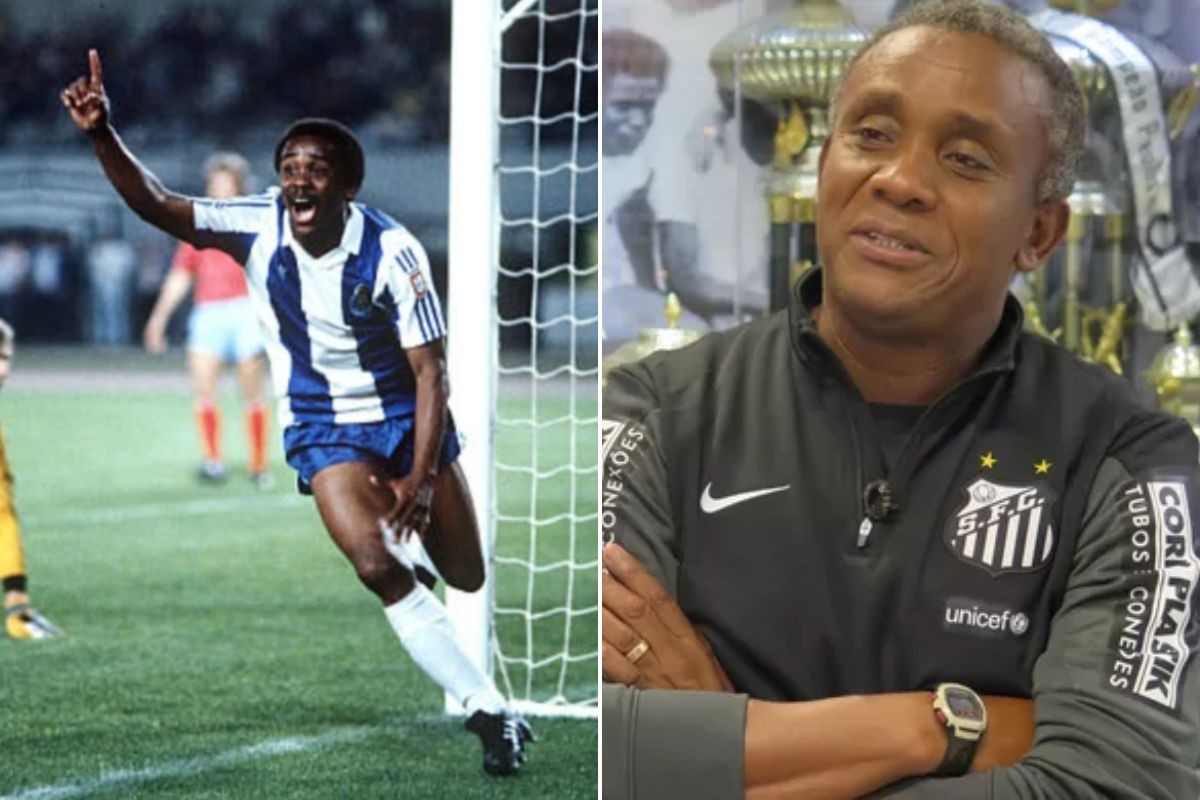
Juary Jorge dos Santos Filho, a 67-year-old former football star who won the Champions League, Club World Cup, and Paulista Championship, has found a new calling as an app-based driver in Brazil's Baixada Santista region. He revealed in an interview that this work has been instrumental in his ongoing treatment for depression. Juary, a key figure in Santos FC's "Meninos da Vila" generation, scored 101 goals in 229 games for the club, making him its fifth-highest scorer in the post-Pelé era. After his last coaching role in Curitiba in 2025, he initially sought to spend more time with family but soon began experiencing symptoms of depression, characterized by a lack of energy and social withdrawal. Approximately two months ago, following his family's suggestion, Juary embraced the ride-share driving opportunity, a role he now cherishes. He works from Monday to Saturday, finding purpose and engagement in his interactions with passengers, whom he humorously likens to a diverse group of people seeking counsel in his 'four-wheeled office.' He has even been recognized by passengers, one of whom expressed deep admiration for his playing career. Juary's football journey began at Santos FC's youth academy at 14, and he played in the 1977 match featuring Pelé's final professional appearance. He was a standout player in Santos' 1978 Paulista Championship win, scoring 29 goals. His career also included stints with clubs in Mexico and Italy, notably scoring the winning goal for FC Porto against Bayern Munich in the 1986/1987 Champions League final and later winning the Club World Cup.
This narrative highlights the profound impact of mental health challenges, even on individuals who have achieved significant public recognition and success. Juary's transition to ride-share driving underscores a potential societal shift where meaningful engagement and social interaction, rather than solely financial gain or past accolades, can serve as crucial elements in recovery from depression. The story implicitly raises questions about the support systems available to athletes post-career and the often-unseen personal struggles that can accompany public life. It suggests that purpose-driven activities, even those seemingly modest, can offer a powerful therapeutic avenue, fostering a sense of control and connection. This experience may encourage a broader societal conversation about mental well-being, emphasizing accessible coping mechanisms and the value of continued contribution across all life stages.
AI-generated to prompt reflection — not editorial opinion, not advice, not a statement of fact. How this works.