Former Croatia National Team Defender Dario Simic Arrested on Corruption Charges
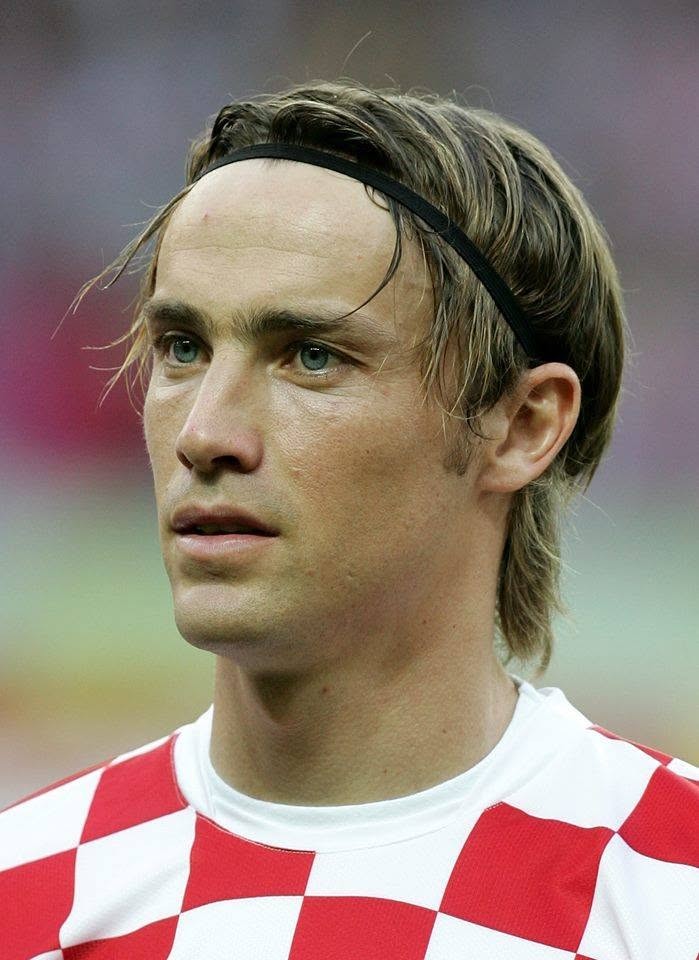
Dario Simic, a 50-year-old former defender for the Croatian national football team, was arrested on July 14, 2026, in Zagreb, Croatia, on suspicion of corruption related to the tourism sector. The national news agency Hina reported that Simic is accused of illegally obtaining a license to operate a campsite on the Adriatic coast. Sources close to the investigation suggest the case involves a small campsite with ten plots and a capacity for up to 30 people, located in the coastal town of Tisno. While police and the specialized anti-corruption prosecutor's office had not confirmed the arrest at the time of reporting, multiple Croatian media outlets published images appearing to show the ex-player in handcuffs. In addition to Simic, two other individuals have been arrested in connection with the scheme: a former regional tourism official allegedly involved in facilitating the licenses for Simic, and a local businessman who reportedly acted as an intermediary. Simic, who retired from the national team in 2008 after 100 appearances, is one of the most capped players in Croatian history, behind Luka Modric. His club career included stints with Dinamo Zagreb, Inter Milan, AC Milan, and Monaco. He participated in the 1998, 2002, and 2006 FIFA World Cups and won the Champions League twice. Following his playing career, Simic founded a bottled water company that distributes products throughout the Balkan region.
The arrest of former Croatian national team footballer Dario Simic on corruption charges highlights the persistent challenges of regulatory oversight and ethical conduct within sectors that attract significant investment and public interest, such as tourism. The alleged scheme, involving the illicit acquisition of a campsite license, points to potential systemic vulnerabilities where personal connections or illicit payments might override established legal and administrative processes. This case underscores the importance of robust anti-corruption mechanisms and transparent governance, particularly when public officials or influential figures are involved. Examining the incentive structures that may have encouraged such alleged behavior, and the effectiveness of current enforcement measures, will be crucial for preventing future occurrences and maintaining public trust in both sports and public administration. The long-term implications for Croatia's tourism sector and its international reputation will depend on the thoroughness and impartiality of the ongoing investigation and subsequent legal proceedings.
AI-generated to prompt reflection — not editorial opinion, not advice, not a statement of fact. How this works.