Former Deputies Sentenced in Health Ministry Assault Case
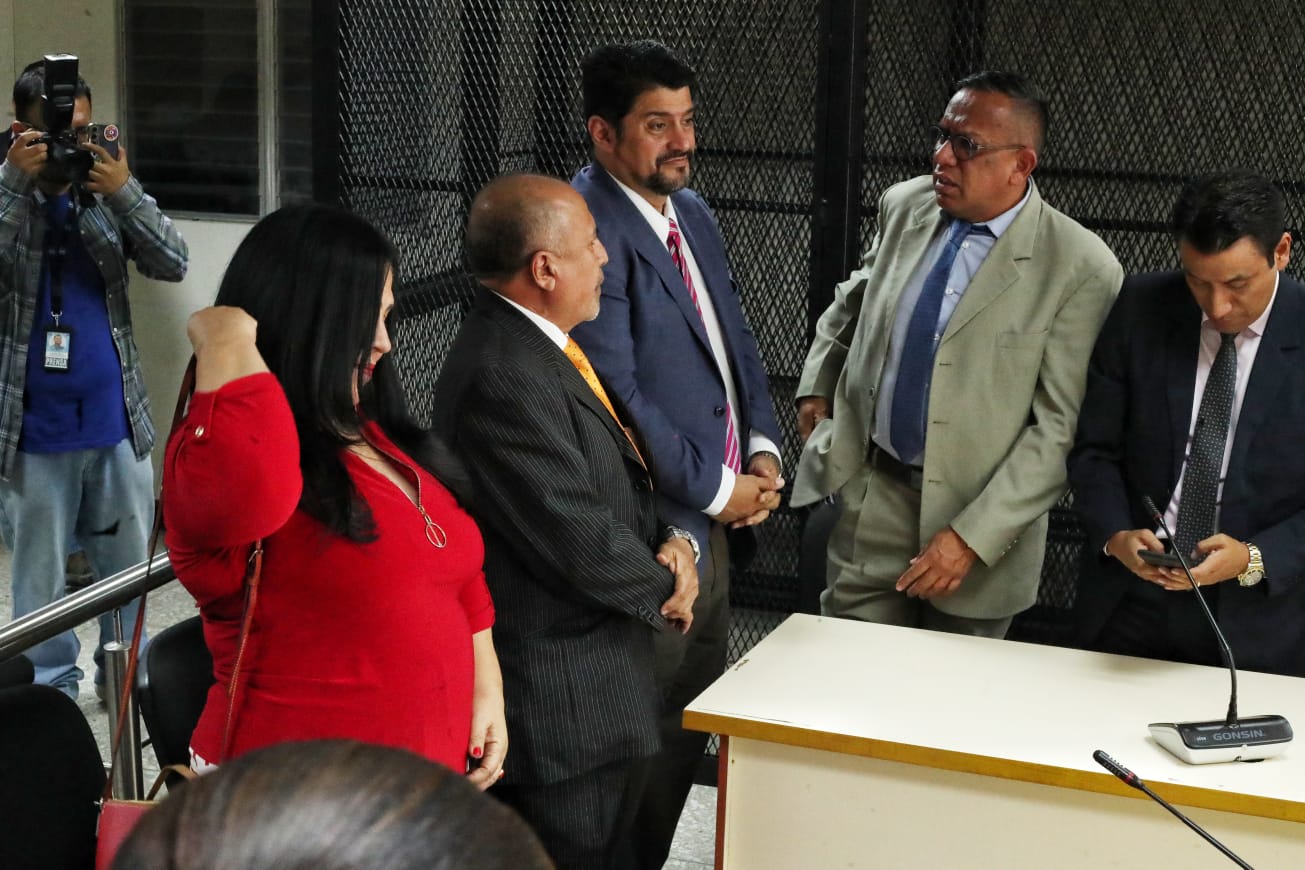
In Guatemala, the High-Risk Court D has handed down prison sentences to former deputies in connection with the "Assault on the Ministry of Health" case. The sentences range from three to seven years for charges of influence peddling. The court's decision addresses alleged illicit activities involving former legislators and their misuse of public office. This ruling marks a significant development in the ongoing efforts to combat corruption within government institutions. The specific details of the influence peddling activities were presented during the trial, leading to the convictions. The case highlights the judicial system's role in holding public officials accountable for their actions. The sentences aim to serve as a deterrent against similar corrupt practices in the future. The Ministry of Health has been a focal point in investigations related to alleged irregularities and misuse of resources.
The sentencing of former deputies for influence peddling in the Ministry of Health case underscores the persistent challenges of governance and accountability in public administration. Such cases often stem from systemic vulnerabilities that allow for the exploitation of public trust for private gain. The judicial process, while delivering accountability, also prompts reflection on the effectiveness of existing oversight mechanisms and the need for stronger preventative measures. Looking ahead, the integration of advanced transparency tools and robust ethical frameworks will be crucial in mitigating future risks and fostering a more resilient public sector, particularly in sensitive areas like healthcare procurement and resource allocation. The long-term impact will depend on consistent enforcement and the cultivation of a culture that prioritizes public service over personal enrichment.
AI-generated to prompt reflection — not editorial opinion, not advice, not a statement of fact. How this works.
