Former DF Undersecretary Fired After Refusing Breathalyzer Test in Official Vehicle
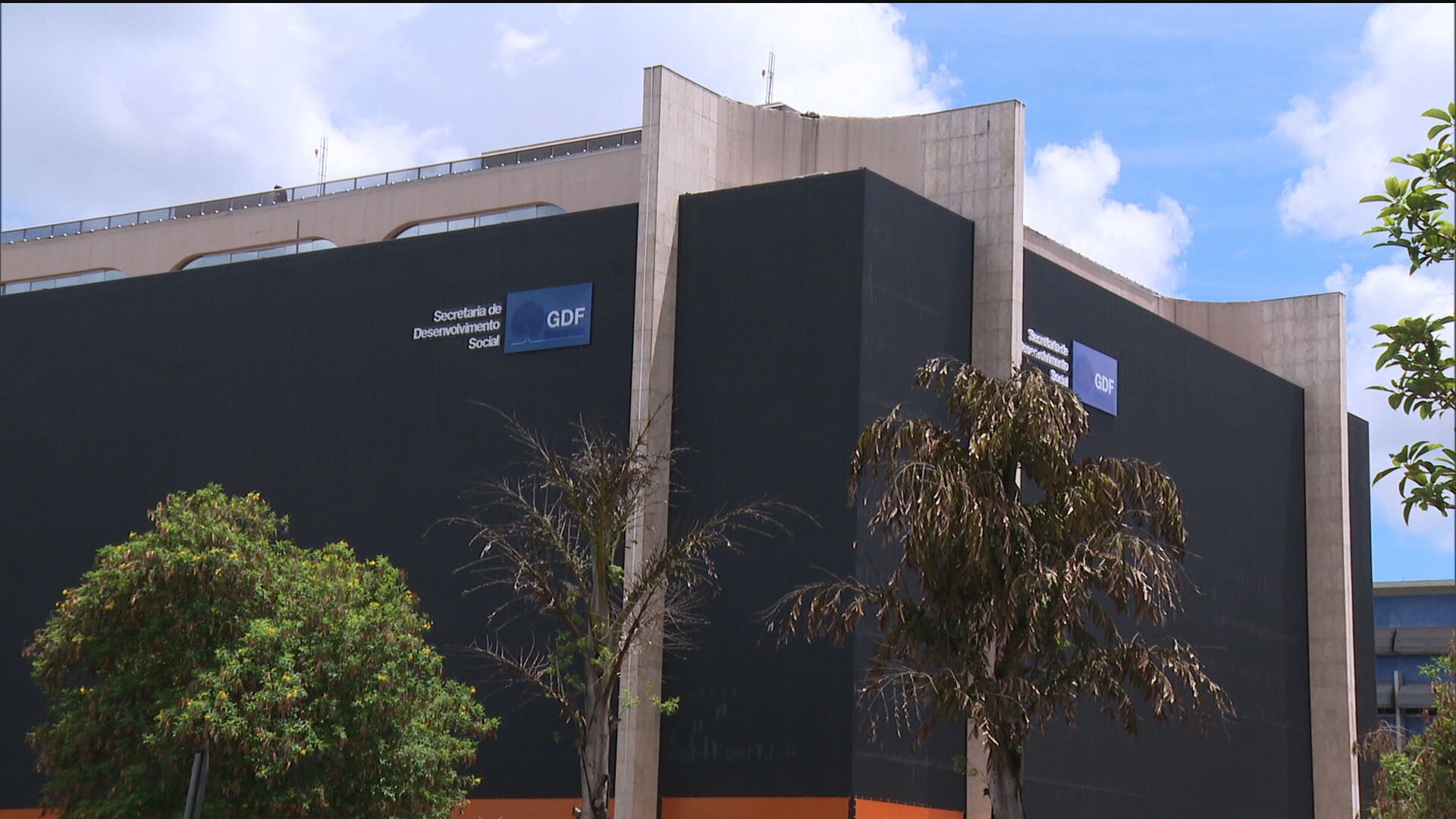
Rodrigo Moreira Freitas, a former undersecretary for Governance, Innovation, and Permanent Education at the Federal District's Secretariat of Social Development (Sedes), was dismissed from his position on July 2nd. The dismissal follows an incident on January 22nd of this year when Freitas was caught driving an official vehicle and refused to take a breathalyzer test. This refusal resulted in a severe infraction fine of R$ 2,934.70, which Freitas paid on January 29th using his own funds. He also requested to cease driving official vehicles after the infraction.
Freitas stated that he immediately reported the incident to his superiors the following day and initiated an administrative process. He confirmed paying the fine with personal resources and requested the suspension of his authorization to drive official vehicles. Months later, amid public repercussion, he requested his resignation to protect the institution. Sedes confirmed that the fine was paid by the server without public expense and that he had not been authorized to drive official vehicles since the incident. Despite the infraction, Freitas had previously received a social merit medal from the DF government and held a position as an analyst in public policies and governmental management, with gross salaries around R$ 10,000 between January and April 2026.
The dismissal of Rodrigo Moreira Freitas highlights a tension between personal accountability and institutional image within public service. While Freitas fulfilled administrative requirements by paying the fine and ceasing official driving, the delay in his dismissal and the public revelation of the incident suggest a lag in the application of governance protocols. This situation raises questions about the effectiveness of internal oversight mechanisms and the timing of disciplinary actions in response to infractions by high-ranking officials. The incident underscores the importance of consistent adherence to regulations, regardless of position, and the potential for reputational damage when perceived lapses occur. Moving forward, public institutions may need to strengthen their processes for timely and transparent handling of such matters to maintain public trust and uphold ethical standards.
AI-generated to prompt reflection — not editorial opinion, not advice, not a statement of fact. How this works.