Former Emir of Qatar, Sheikh Hamad bin Khalifa Al-Thani, dies at 74
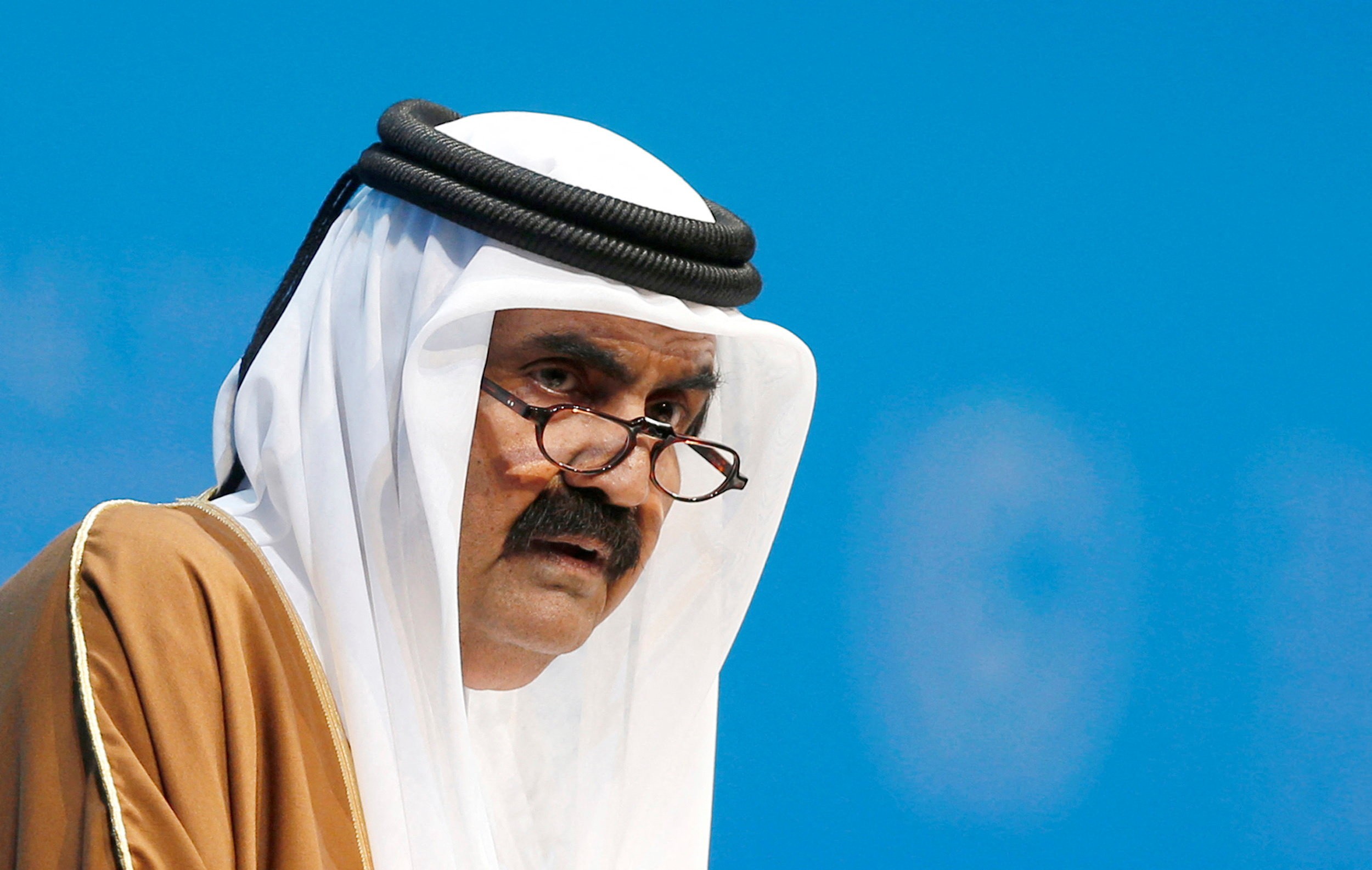
Sheikh Hamad bin Khalifa Al-Thani, the former Emir of Qatar who modernized the nation and transferred power to his son, has died at the age of 74. The Amiri Diwan, Qatar's principal government body, announced his death on Sunday morning, though the cause was not disclosed. Sheikh Hamad's reign, which began in 1995, marked a significant period of transformation for the small desert state. He oversaw the development of Qatar's liquefied natural gas (LNG) infrastructure, turning the country into a major global exporter and laying the foundation for its immense wealth. He also established the Al Jazeera television network, significantly expanding Qatar's international influence and projecting its image far beyond the Gulf region. Under his leadership, Qatar secured the rights to host the 2022 FIFA World Cup, a move that further cemented its global standing and spurred extensive infrastructure development in Doha. Sheikh Hamad also positioned Qatar as a key international mediator, participating in negotiations for crises in Lebanon, Yemen, and Darfur, while maintaining complex relationships with the United States, Iran, and Iran-aligned groups. This diplomatic strategy has influenced Qatar's current role in mediating between the U.S. and Iran and in efforts to resolve the conflict in Gaza. During the Arab Spring in 2011, Qatar's support for revolutionary movements and Islamist groups, particularly those linked to the Muslim Brotherhood, was both prominent and controversial, leading to tensions with neighboring Gulf monarchies. Sheikh Hamad came to power in 1995 by deposing his father in a bloodless coup and later survived an attempted counter-coup. His decision to abdicate in 2013 was intended to ensure a smooth succession and reduce internal family disputes, paving the way for a new generation of leadership.
The passing of Sheikh Hamad bin Khalifa Al-Thani marks the end of a transformative era for Qatar, characterized by strategic diversification beyond traditional energy resources into global media influence and diplomatic mediation. His leadership leveraged the nation's natural gas wealth to build significant international soft power, exemplified by Al Jazeera and its role in regional discourse, as well as its hosting of major global events like the World Cup. The analysis of Qatar's foreign policy under his tenure reveals a complex balancing act, engaging with diverse global actors, including adversaries, to carve out a unique geopolitical position. This approach, while enhancing Qatar's regional standing, also generated friction with neighboring states, highlighting the inherent trade-offs in pursuing an independent foreign policy. Looking ahead, the systems established during his rule, particularly in energy exports, media, and diplomacy, will continue to shape Qatar's trajectory in an increasingly interconnected and AI-driven world, presenting ongoing challenges and opportunities for navigating global power dynamics and regional stability.
AI-generated to prompt reflection — not editorial opinion, not advice, not a statement of fact. How this works.