Former French PM Villepin calls tax-cut candidates 'liars,' proposes wealth tax
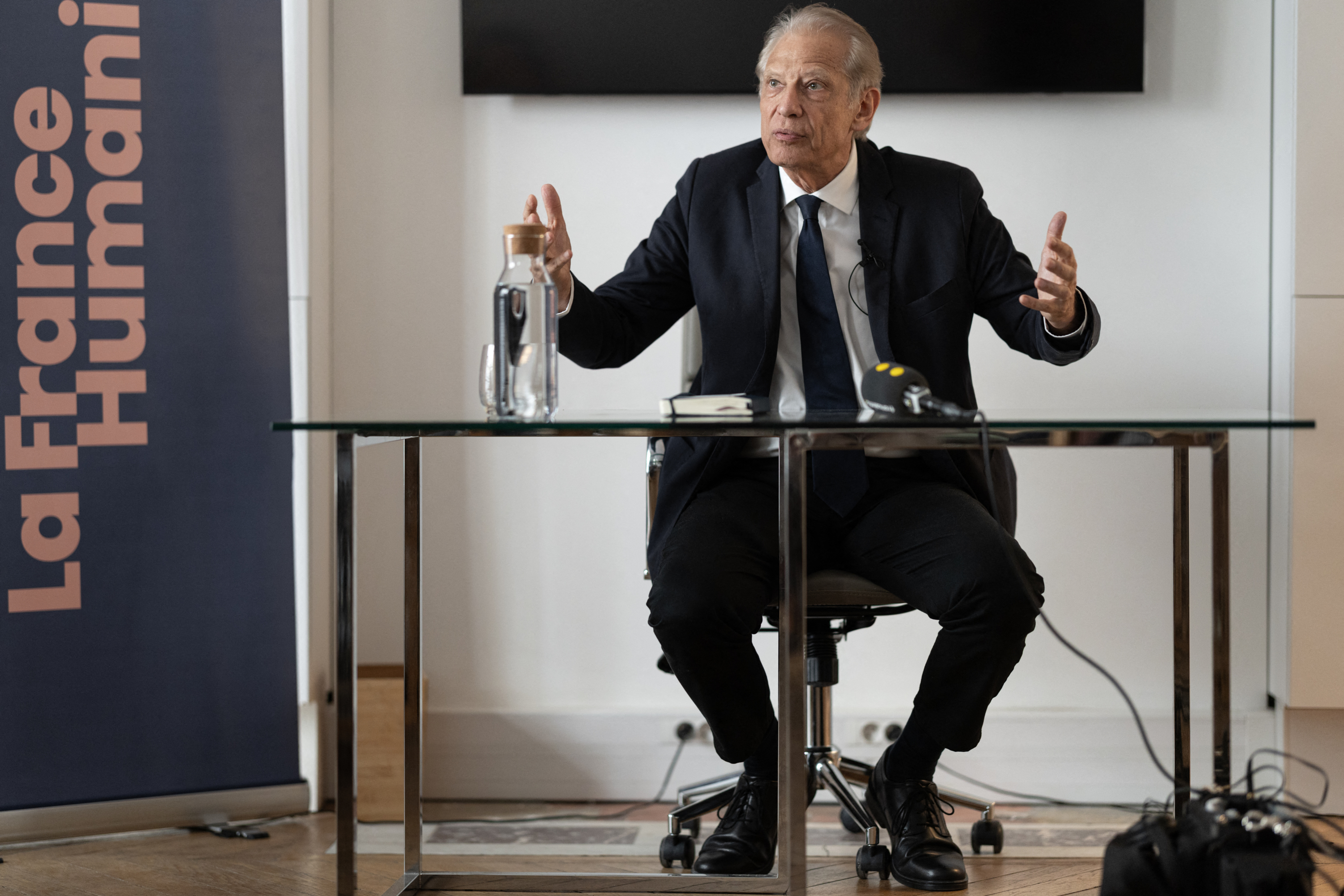
Former French Prime Minister Dominique de Villepin has declared that political candidates promising not to raise taxes are "liars." Speaking at a press conference attended by select media and influencers, Villepin advocated for a new contribution specifically from the wealthiest individuals in France. This stance suggests a critique of fiscal policies that aim to reduce the tax burden without addressing potential revenue shortfalls or increasing contributions from higher income brackets. Villepin's proposal for a wealth contribution indicates a belief that those with the most financial resources should bear a greater share of the public funding responsibility. The former prime minister's remarks highlight a significant debate within French politics regarding taxation, public spending, and economic fairness. His direct challenge to candidates' fiscal promises underscores a perceived disconnect between political rhetoric and the practicalities of national finance. The context of the press conference, including influencers, suggests an effort to reach a broader audience beyond traditional political circles.
Dominique de Villepin's assertion that candidates pledging no tax increases are 'liars' frames the fiscal debate around a perceived tension between electoral promises and governmental necessity. His proposal for a wealth contribution from the affluent suggests a perspective that prioritizes progressive taxation as a means to fund public services or manage national debt. This approach invites consideration of the economic impacts of wealth taxation, including potential effects on investment, capital flight, and overall economic growth. The analysis of such proposals must weigh the principles of fiscal equity against the practicalities of implementation and their influence on economic dynamism over the next decade, particularly in the context of evolving global tax landscapes and the increasing mobility of capital.
AI-generated to prompt reflection — not editorial opinion, not advice, not a statement of fact. How this works.