Former Greek Official Implies PM Mitsotakis Responsible for Wiretapping Scandal
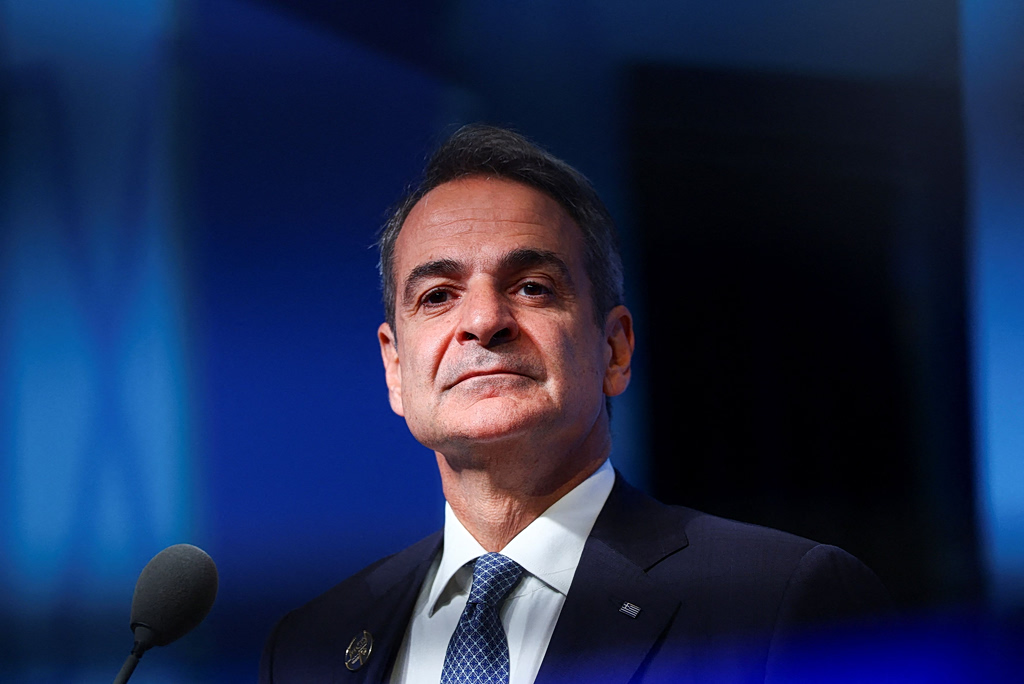
In a lengthy interview, Grigoris Dimitriadis, former Secretary-General to the Prime Minister of Greece, made indirect but clear admissions that suggest Prime Minister Kyriakos Mitsotakis bears ultimate responsibility for the management of power within the Maximos Mansion, particularly concerning the wiretapping scandal. Dimitriadis described his role as 'chief of staff,' indicating a high level of involvement in the Prime Minister's office. The interview, lasting over 212 minutes, reportedly revealed details that place Mitsotakis at the center of decisions related to the surveillance activities. Dimitriadis's statements are seen as an implicit acknowledgment of the Prime Minister's oversight and ultimate authority in such sensitive matters. This development comes amid ongoing investigations into the extent and nature of the wiretapping operations that have shaken the Greek political landscape. The implications of these admissions could significantly impact the Prime Minister's administration and public trust. The interview aimed to clarify Dimitriadis's position and the workings of the Prime Minister's office during a period of significant political controversy. His remarks are interpreted by many as a strategic move to delineate responsibilities while indirectly confirming the Prime Minister's central role.
This situation highlights the complex dynamics of power and accountability within a prime ministerial office, particularly during a significant political scandal. The indirect admissions suggest a potential disconnect between operational actions and ultimate executive oversight, a common challenge in large governmental structures. Examining the incentive structures for information flow and decision-making within the Maximos Mansion could reveal systemic vulnerabilities. The long-term implications may involve increased scrutiny of transparency protocols and the delegation of authority in sensitive national security matters, potentially leading to reforms aimed at strengthening checks and balances in future administrations. The focus on leadership responsibility, even indirectly, prompts consideration of how governance models adapt to the digital age and its associated risks.
AI-generated to prompt reflection — not editorial opinion, not advice, not a statement of fact. How this works.