Former Hiroshima City Shinkin Bank Chairman Akihiro Yamamoto Dies
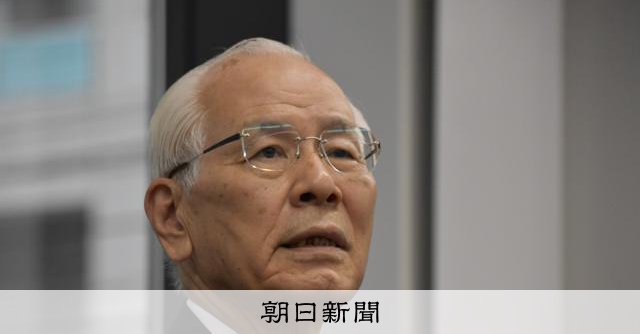
Akihiro Yamamoto, the former chairman of Hiroshima City Shinkin Bank, has passed away. Yamamoto was known for his strong personal philosophy, often stating that he would pursue his convictions even if they were diametrically opposed to prevailing opinions. His leadership at the financial institution likely shaped its direction and operational principles during his tenure. The news of his death was announced, marking the end of his influential period at the bank. Further details regarding the circumstances of his passing or specific achievements during his chairmanship were not provided in the initial announcement. Hiroshima City Shinkin Bank is a regional financial institution serving the Hiroshima area. Yamamoto's commitment to his beliefs, even in the face of opposition, suggests a determined and principled approach to his professional life. His legacy will be remembered by those who worked with him and benefited from the bank's services under his guidance. The specific date of his death was not mentioned.
The passing of Akihiro Yamamoto, former chairman of Hiroshima City Shinkin Bank, highlights the influence of individual leadership within regional financial institutions. His stated conviction to uphold his beliefs, even when contrary to popular opinion, suggests a governance style that prioritized deeply held principles. This approach, while potentially fostering stability and clear direction, also presents a dynamic where dissenting viewpoints might be less integrated into decision-making processes. Examining such leadership through the lens of future financial governance, it is crucial to consider how to balance strong personal conviction with inclusive strategic planning and robust stakeholder engagement to ensure adaptability in an evolving economic landscape. The long-term impact of his tenure on the bank's resilience and market position warrants consideration in assessing its strategic trajectory moving forward.
AI-generated to prompt reflection — not editorial opinion, not advice, not a statement of fact. How this works.