Former Hospital Cleaner Becomes Doctor After Eight-Year Journey
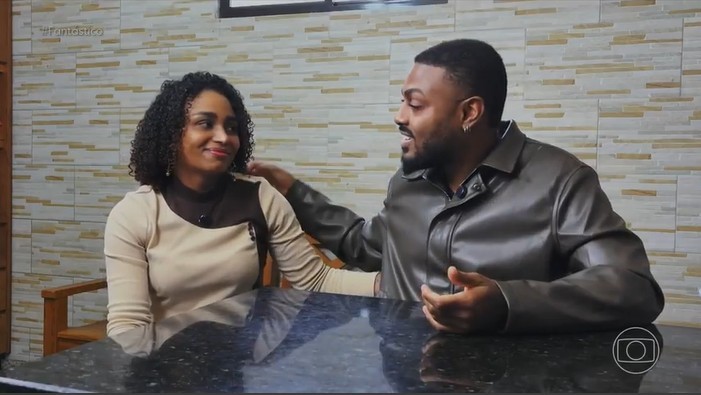
Bruno Eulálio Santos, a 27-year-old man raised in the Ressaca Favela in Contagem, Minas Gerais, has achieved his dream of becoming a doctor after an arduous eight-year journey. He graduated with a medical degree from the Federal University of Santa Catarina (UFSC) in June of this year. Santos faced significant financial hardship and worked various informal jobs, including car washer, snack cart attendant, tire repairman, and hospital cleaner, before pursuing his education. His aspiration to become a doctor was sparked while working as a hospital cleaner, where he observed a stark difference in how cleaning staff and medical professionals were treated. This disparity fueled his determination to become a doctor, believing it would lead to better treatment. Unable to afford traditional preparatory courses, Santos utilized a low-cost online program and developed an innovative study method using over 1,300 flashcards, which he reviewed daily on bus commutes. After two attempts at the university entrance exam, he was accepted into UFSC's medical program. His sister provided crucial financial and emotional support throughout his six years of medical school. Santos now reflects that his motivation has shifted from seeking respect to understanding the patient-centered nature of medicine, emphasizing empathy and the patient's experience.
This narrative highlights the transformative power of education and perseverance against socioeconomic barriers. The individual's journey from a hospital cleaner to a physician underscores the potential for upward mobility when access to educational resources is available. His initial motivation, stemming from perceived differential treatment, evolved into a patient-centered approach, suggesting a maturation of perspective through academic and professional experience. This case illustrates how systemic challenges in accessing higher education can be overcome with personal resilience and external support networks. It also prompts reflection on societal perceptions of different professions and the importance of equitable treatment across all roles within an institution. Looking forward, such stories can inspire policy discussions on educational equity and the dismantling of class-based disadvantages in professional advancement.
AI-generated to prompt reflection — not editorial opinion, not advice, not a statement of fact. How this works.
