Former Hostage: Trump Relies on Bombs, But Diplomacy Is Inevitable
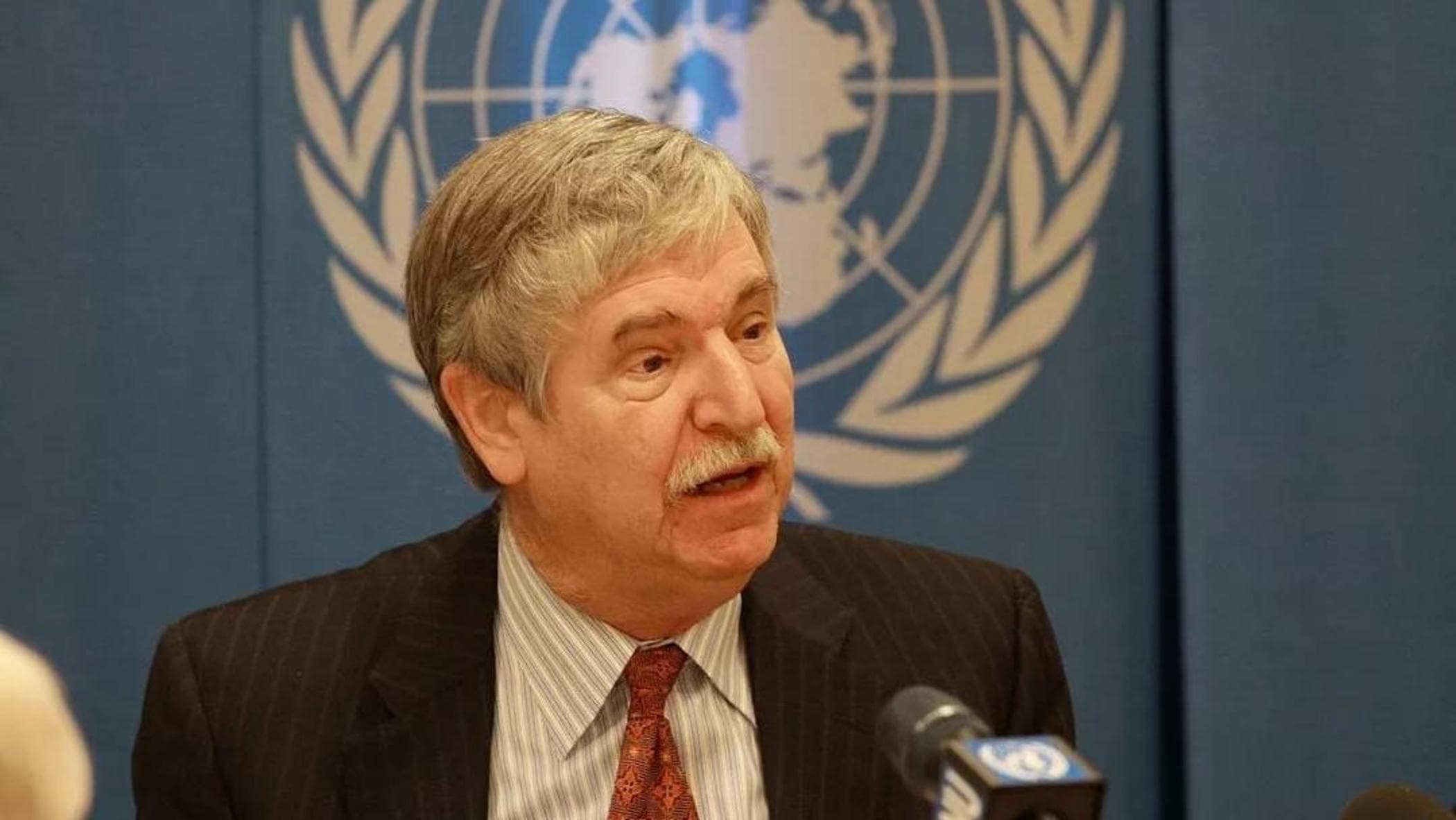
John Limbert, who was held hostage at the U.S. Embassy in Tehran in 1979, believes that President Donald Trump's approach to foreign policy is characterized by a reliance on military action rather than negotiation. Limbert suggests that Trump's strategy of "bombing" may be his preferred method, but ultimately, he will be forced to engage in diplomacy, an approach Limbert implies Trump disdains. According to Limbert, the current U.S. president often appears uncertain about his objectives. This perceived indecisiveness complicates the efforts of negotiators attempting to resolve international disputes or forge agreements. Limbert's perspective, shaped by his personal experience as a hostage, highlights the challenges of navigating complex geopolitical situations when a leader's intentions are unclear. He implies that Trump's actions may not always align with a coherent long-term strategy, potentially hindering diplomatic progress.
This perspective suggests a potential disconnect between President Trump's transactional, often confrontational, foreign policy style and the nuanced requirements of sustained diplomatic engagement. The analysis implies that while military posturing can yield short-term leverage, its efficacy diminishes without a clear, consistent diplomatic strategy underpinning it. The inherent contradiction may lie in the tension between projecting strength through decisive action and the patient, collaborative effort required for successful negotiation. Over-reliance on punitive measures could alienate potential partners and close avenues for resolution, necessitating a return to diplomatic channels, albeit potentially under less favorable conditions. This dynamic raises questions about the long-term sustainability of a foreign policy that prioritizes immediate impact over enduring relationships and negotiated outcomes.
AI-generated to prompt reflection — not editorial opinion, not advice, not a statement of fact. How this works.