Former Inmate Clears Hurdle for Medical Internship Near Family
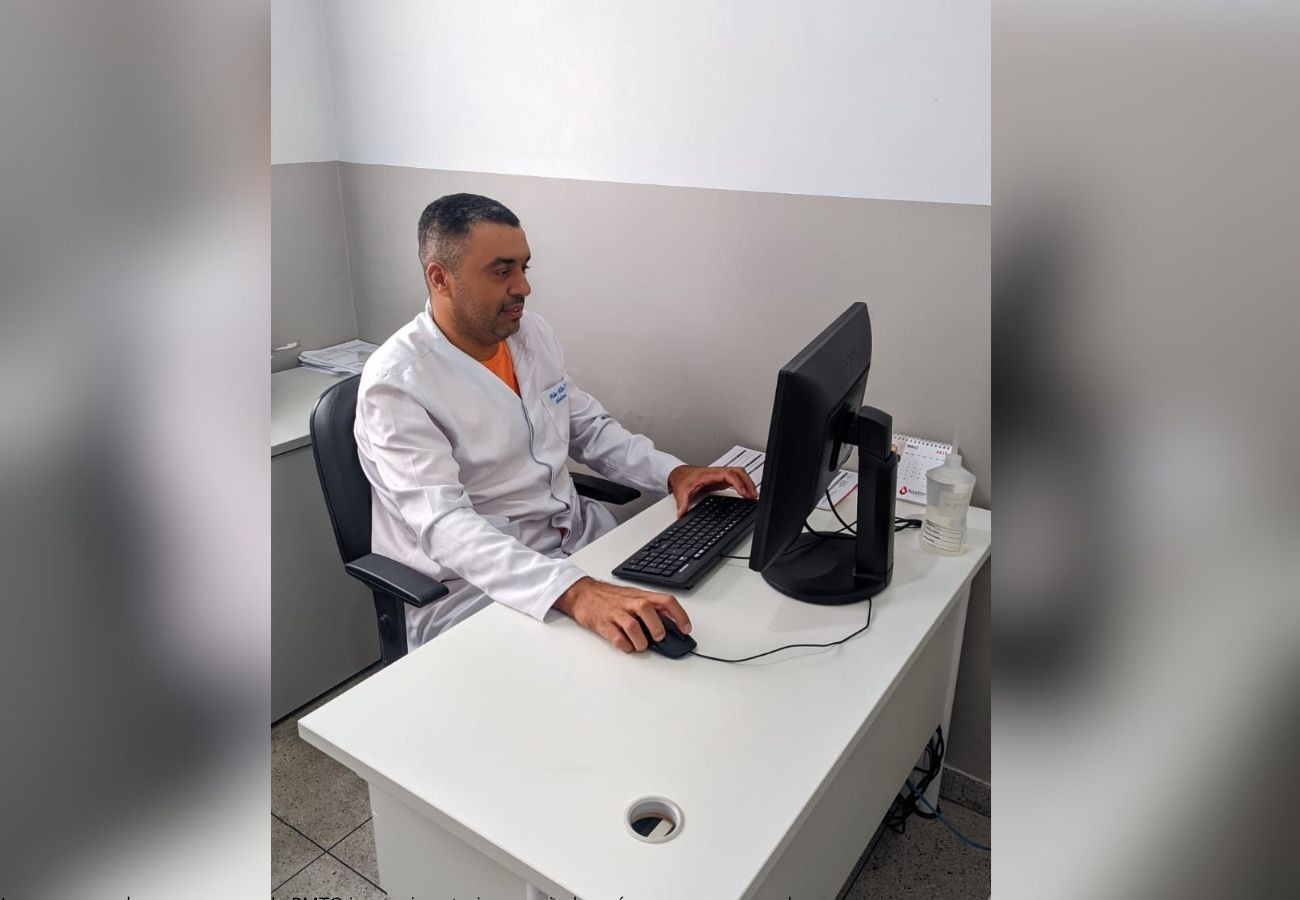
Wallace William da Costa, a 47-year-old former inmate, is nearing the completion of his medical degree, having studied eight semesters at the Federal University of Northern Tocantins (UFNT) in Araguaína. He has secured authorization to complete a portion of his two-year medical internship in Minas Gerais, the state where his family resides, over 2,000 km away. This transfer allows him to be closer to his wife and daughters, one of whom has severe Autism Spectrum Disorder (ASD) requiring significant support. The authorization permits him to complete two to three periods of his internship in Minas Gerais, with a request for three submitted in November 2025 and approved by the Federal University of Juiz de Fora (UFJF) in April 2026. He has been granted 60 days for his internship in Minas Gerais, which he believes will significantly aid in caring for his family. This move comes as he also passed a public examination for a medical position in Minas Gerais in 2025, with the expectation of completing his degree in time to assume the role. Da Costa began his journey toward medicine after being imprisoned for drug trafficking at age 18 in 1997. During his four-year sentence, he decided to pursue education, starting with studies in prison and later completing a Nursing degree after his release. He then prepared for the ENEM exam and was accepted into medical school at UFNT in 2023. The Minas Gerais Court of Justice has confirmed the completion of his sentence.
This narrative highlights a significant personal achievement, demonstrating the transformative power of educational opportunities and personal determination. The system's allowance for internship transfers in public universities, while common, functions as a critical support mechanism for students facing personal or familial challenges. However, the protracted approval process and the pending status of the third discipline request suggest potential inefficiencies within the university administrative structures. The case also raises broader questions about the integration and support systems for individuals with past convictions re-entering higher education and professional life, particularly in demanding fields like medicine. Future considerations might involve streamlining inter-university administrative processes and enhancing support networks for non-traditional students to ensure equitable access and successful completion of their academic and professional goals.
AI-generated to prompt reflection — not editorial opinion, not advice, not a statement of fact. How this works.