Former Iranian President Mahmoud Ahmadinejad Reportedly Under House Arrest
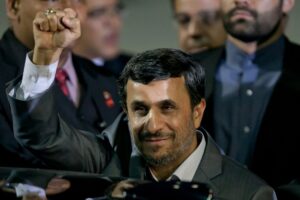
Former Iranian President Mahmoud Ahmadinejad has reportedly been placed under house arrest by the intelligence branch of the Islamic Revolutionary Guard Corps (IRGC). This action follows alleged discoveries by Iranian authorities of certain contacts between Ahmadinejad and Israel. The information was reported by The New York Times, citing four high-ranking Iranian officials. The news has garnered significant attention, particularly as some media outlets had recently claimed Ahmadinejad was preparing to run for president again. The circumstances surrounding his alleged contacts with Israel and the specific nature of the intelligence gathered remain unclear. This development adds another layer to the complex political landscape within Iran. Ahmadinejad's previous presidency, from 2005 to 2013, was marked by controversial policies and rhetoric, especially concerning international relations and Iran's nuclear program. His potential re-entry into politics had already been a subject of speculation and debate. The IRGC's intelligence branch is known for its role in monitoring and suppressing perceived threats to the regime. The implications of this house arrest for Ahmadinejad's political future and the broader political dynamics in Iran are yet to be fully understood.
The reported house arrest of former Iranian President Mahmoud Ahmadinejad, allegedly due to contacts with Israel, highlights the intricate power dynamics and internal security concerns within Iran. This event underscores the IRGC's significant influence over political figures, even former heads of state, and its role in managing perceived external threats. The timing, potentially linked to speculation about his political comeback, suggests a strategic move by security apparatus to preemptively neutralize any challenge to the established order. Future developments will likely depend on the evidence presented, the internal political consensus, and the broader geopolitical context, particularly Iran's ongoing strategic positioning in the region and its relationship with global powers. The situation warrants observation for shifts in Iran's domestic political stability and its foreign policy posture.
AI-generated to prompt reflection — not editorial opinion, not advice, not a statement of fact. How this works.