Former Iraqi Diplomat Discusses Iran-US Tensions and Regional War
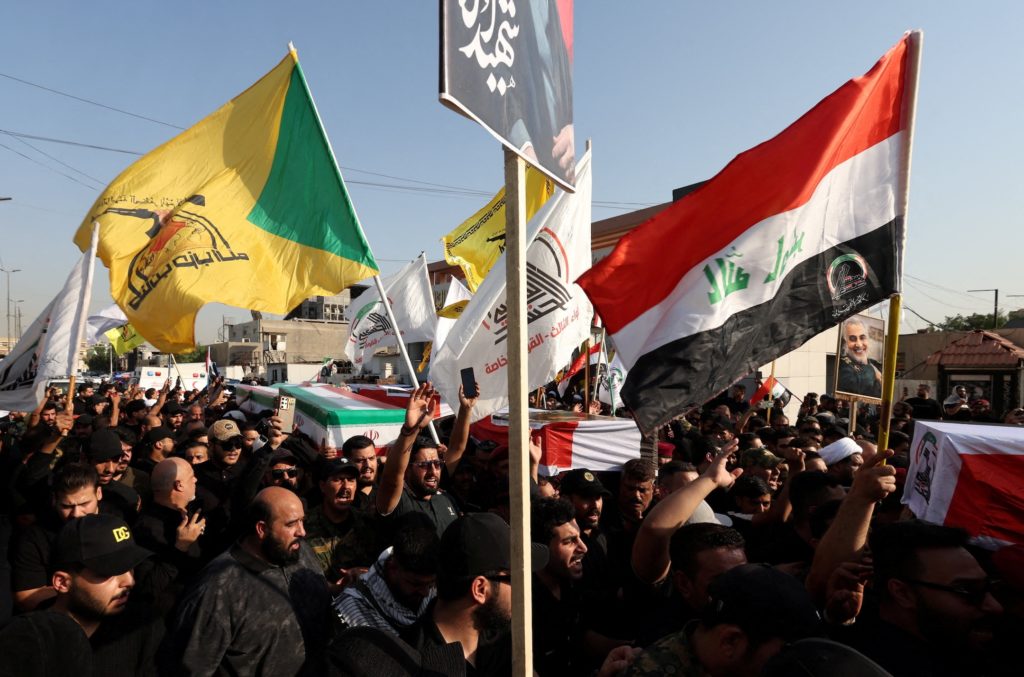
Geoff Bennett interviewed Feisal Istrabadi, a former Iraqi diplomat and the founding director of the Center for the Study of the Middle East at Indiana University Bloomington. The discussion focused on the repercussions of escalating strikes between the United States and Iran. Istrabadi provided perspective on how these exchanges are contributing to a broader conflict across the Middle East region. The conversation aimed to understand the underlying forces driving this widening war. Bennett sought expert analysis on the geopolitical implications of the ongoing U.S.-Iran hostilities. The interview explored the interconnectedness of the strikes and their impact on regional stability. Istrabadi's insights were drawn from his extensive experience in diplomacy and Middle Eastern studies. The goal was to offer a clearer understanding of the complex dynamics at play.
The exchange of strikes between the U.S. and Iran, as discussed by former Iraqi diplomat Feisal Istrabadi, highlights critical geopolitical fault lines. Understanding the incentive structures driving these escalations is key to assessing regional stability. The narrative of a 'widening war' suggests a potential for cascading conflicts, influenced by regional power balances and external interventions. From a future-oriented perspective, the persistent volatility in this region, exacerbated by such direct confrontations, poses significant challenges to long-term economic development and global energy security. Examining the governance frameworks and diplomatic channels available, or their absence, is crucial for identifying pathways toward de-escalation and preventing further regional fragmentation.
AI-generated to prompt reflection — not editorial opinion, not advice, not a statement of fact. How this works.