Former Leader Declines Office After Power Transfer
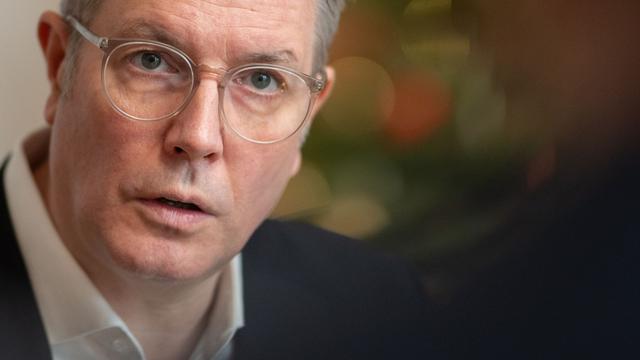
Following a change in leadership, a former head of government chose not to occupy an official office. The decision was reportedly made because the former leader felt it was unnecessary. This action comes after the recent power transition within the government. The former leader's stance suggests a potential shift in how outgoing officials engage with post-tenure resources. Further details regarding the specific office or the circumstances of the power transfer were not provided in the original report. The decision highlights a personal choice regarding the utilization of state resources after leaving office.
The former head of government's decision to forgo an official office post-tenure may signal a broader trend toward re-evaluating the traditional benefits and resource allocations for outgoing political figures. This choice could be influenced by evolving public expectations regarding accountability and the efficient use of taxpayer funds. In the context of increasing scrutiny on government spending and the potential for future AI-driven resource optimization, such decisions might become more common. It prompts consideration of whether existing post-office protocols adequately serve public interest or if they could be streamlined to reflect contemporary governance standards and fiscal prudence, without undermining the dignity of public service.
AI-generated to prompt reflection — not editorial opinion, not advice, not a statement of fact. How this works.