Former Lula Ministers Criticize Governor Tarcísio Over Trump Tariffs
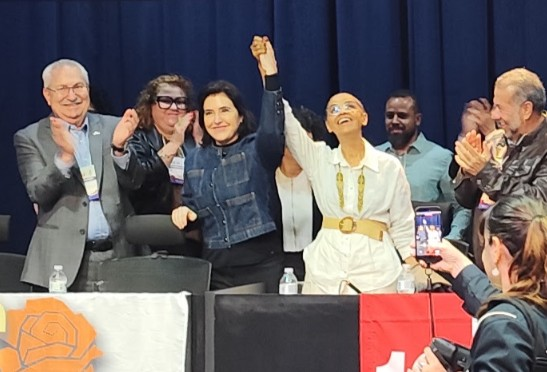
Three former ministers under President Lula da Silva have criticized São Paulo Governor Tarcísio de Freitas and his political allies for their stance on recent U.S. tariffs imposed by Donald Trump's administration. Márcio França, a former minister of Ports and Airports, stated that São Paulo was particularly harmed, with tariffs affecting key exports like coffee and furniture, questioning who would compensate the state. Marina Silva, former Minister of the Environment, highlighted the negative impact on Brazil's production of ethanol, biofuels, footwear, and other industries, criticizing Tarcísio for downplaying the issue. Simone Tebet, former Minister of Planning and Budget, directly addressed Governor Tarcísio's past support for Trump, urging him to renounce his "Make America Great Again" stance and apologize to the people of São Paulo for prioritizing U.S. interests over Brazil's. Tebet emphasized that São Paulo would be the most affected state, citing Franca as a city heavily reliant on exports to the U.S. due to its industrial base. Initially, Tarcísio had blamed Lula for the tariffs, but he has since moderated his position, advocating for continued negotiation and viewing the situation as a commercial dispute where countries defend their own interests. França also criticized the state's privatization policies, arguing that public assets are being sold without adequate valuation, with profits from concessions quickly recouping the sale price.
The exchange highlights the complex interplay between domestic politics, international trade relations, and national economic interests. Governor Tarcísio de Freitas's evolving public statements on the U.S. tariffs reflect a strategic recalibration, likely influenced by the economic repercussions for his state and the political pressure from former Lula administration officials. While Tarcísio's shift towards emphasizing negotiation and commercial pragmatism aims to de-escalate tensions, the criticism from figures like Marina Silva and Simone Tebet underscores a persistent tension between aligning with international political figures and safeguarding national industrial and agricultural sectors. The situation presents a case study in navigating geopolitical shifts and their impact on regional economies, prompting questions about the long-term sustainability of trade policies that may prioritize short-term political alliances over diversified economic resilience.
AI-generated to prompt reflection — not editorial opinion, not advice, not a statement of fact. How this works.